You Won’t Believe These Male City Secrets – A Local’s Real Talk
If you think the Maldives is just overwater bungalows and white-sand escapes, wait until you see Malé. This tiny capital packs a punch with its bustling streets, colorful buildings, and vibrant local life. I recently spent a week exploring beyond the resorts, and honestly? The cityscape blew me away. From sunrise at the fish market to hidden rooftop views, Malé offers a side of the Maldives most travelers never see — authentic, fast-paced, and full of surprises. It’s a place where tradition meets urban rhythm, where the call to prayer blends with the hum of motorbikes, and where every alleyway tells a story. This is not the Maldives you’ve seen in glossy brochures — this is the real heartbeat of the nation.
Malé Like Never Before: Rethinking the Maldives’ Capital
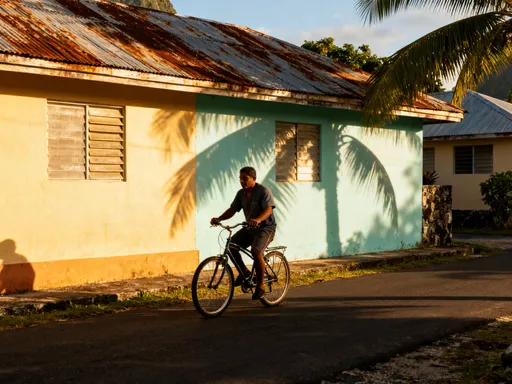
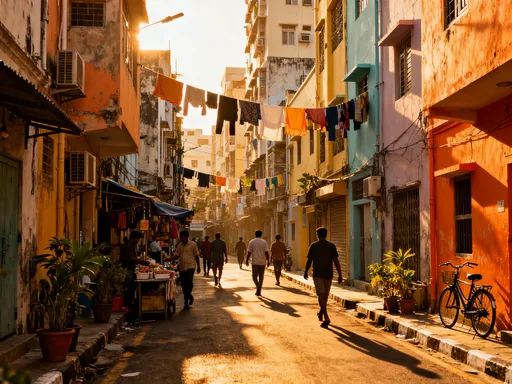
Most visitors to the Maldives treat Malé as little more than a transit point — a brief stop between international flights and luxury resort transfers. But this small island capital, barely over eight square kilometers, is a world unto itself. Far from the tranquil silence of private atolls, Malé pulses with energy. Its narrow streets are lined with pastel-painted buildings stacked three or four stories high, and the sidewalks buzz with locals in crisp white kurtas and flowing abayas. The scent of fried dough and fresh fish mingles with the salty ocean breeze, creating a sensory experience unlike any other in the archipelago.
What surprises many first-time visitors is how urban Malé feels. It is one of the most densely populated cities in the world, with over 200,000 residents living in a space smaller than Manhattan’s Central Park. Yet, despite its density, the city maintains a surprising sense of order. Traffic is light by global standards — most people walk or ride bicycles — and the lack of sprawling suburbs means everything is within reach. There are no sprawling malls or towering skyscrapers, but there is a quiet dignity in its compact design, a testament to how space is cherished and maximized.
The contrast between Malé and the resort islands could not be starker. While tourists enjoy secluded beaches and personalized service, Malé residents live ordinary lives — commuting to work, shopping at local markets, and gathering in neighborhood parks. This is where the Maldives truly lives and breathes. To experience it is to understand the country beyond its postcard image. For those willing to step off the beaten path, Malé offers a rare glimpse into the soul of a nation shaped by the sea, faith, and community.
Why Malé’s Cityscape Deserves Your Attention
At first glance, Malé may seem unremarkable — a cluster of modest buildings crammed onto a small island. But its urban fabric reveals a remarkable adaptation to geography and culture. As land is extremely limited, vertical living is the norm. Families often occupy multiple floors of a single building, with ground-level spaces reserved for shops or offices. Rooftops are repurposed as drying areas for clothes, small gardens, or even social spaces where neighbors gather in the evening. Every square meter is used with intention, reflecting a deep respect for space and sustainability.
What makes Malé truly unique is its authenticity. Unlike the carefully curated environments of resort islands, Malé is unfiltered. Children kick footballs in alleyways, fishermen mend nets on docks, and elders sip tea at roadside stalls. These everyday moments are not staged for tourists — they are the rhythm of daily life. Experiencing them fosters a deeper connection to the Maldivian way of life, one rooted in simplicity, faith, and resilience.
The city’s density also fosters a strong sense of community. Neighbors know each other by name, and public spaces serve as social hubs. The Male’ Waterfront Park, for instance, is not just a scenic walkway but a place where families stroll after evening prayers, couples sit on benches, and teenagers cycle in pairs. This communal spirit is rare in modern cities and offers a refreshing reminder of how urban life can be both intimate and vibrant. By visiting Malé, travelers gain not just a new destination, but a new perspective on what a city can be.
Top 5 City Experiences That Capture Malé’s Soul
One of the most unforgettable experiences in Malé is visiting the Fish Market at sunrise. As the sky shifts from indigo to soft gold, fishing boats unload their overnight catch — tuna, wahoo, and reef fish piled high on wooden carts. The air is thick with the briny scent of the sea, and the rhythmic clang of metal scales echoes through the open-air sheds. Watching the auction begin, with buyers inspecting each fish for freshness, is a lesson in tradition and livelihood. Arriving early means cooler temperatures and fewer crowds, allowing for quiet observation without disruption.
Another must-do is a leisurely walk along the Male’ Waterfront Park. This seaside promenade stretches along the eastern edge of the island, offering panoramic views of the Indian Ocean and nearby Hulhumalé. By day, it’s a popular spot for joggers and photographers; by evening, it transforms into a family-friendly destination with food trucks and shaded seating. The gentle sea breeze and rhythmic lapping of waves make it an ideal place to pause and reflect. The park also features informational plaques about Maldivian marine life, subtly educating visitors about the fragile ecosystem that sustains the nation.
For a taste of local culture, exploring the city’s cafés is essential. Unlike resort coffee shops, Malé’s cafés are social spaces where friends meet over sweet milky tea and savory short eats. Look for small, family-run spots tucked into side streets, where you might be the only tourist. These cafés often serve traditional snacks like bajiya (deep-fried pastries filled with tuna and onions) and gulha (crispy dough balls with smoked fish). The pace is slow, the service warm, and the atmosphere welcoming.
No visit is complete without seeing the Islamic Centre, home to the Grand Friday Mosque. This striking complex, built with coral stone and white marble, is one of the largest mosques in the Maldives. While non-Muslims cannot enter the prayer hall, the exterior is breathtaking — a blend of Mughal and modern Islamic architecture with a towering golden dome. The surrounding courtyard is open to respectful visitors, offering a peaceful retreat from the city’s energy. Nearby, the National Museum, housed in a historic sultan’s palace, provides insight into the country’s royal history and maritime heritage.
Finally, keep an eye out for street art in Malé’s hidden alleys. Though not widely advertised, the city has a growing urban art scene. Local artists use walls to celebrate Maldivian identity — fishing traditions, coral reefs, and Islamic calligraphy rendered in bold colors. These murals are often tucked between buildings or above shop doors, rewarding those who wander off main roads. Finding them feels like uncovering a secret, a small act of discovery in a city full of stories.
How to Navigate Malé Like a Pro
Getting around Malé is surprisingly simple, especially for those who enjoy walking. The entire city can be crossed on foot in under 30 minutes, making it one of the most walkable capitals in the region. Comfortable footwear is essential — the sidewalks can be uneven, and the tropical sun beats down fiercely between 10 a.m. and 3 p.m. Carrying a reusable water bottle is highly recommended, as hydration is key in the humid climate.
For travelers arriving from nearby islands or the airport, local ferries are the most economical and authentic way to reach Malé. Operated by the Maldivian government, these ferries connect Malé with Hulhumalé, Hulhulé (where the airport is located), and other nearby atolls. A one-way trip costs a fraction of a private speedboat and offers a genuine slice of local life — commuters, schoolchildren, and vendors all share the deck. Schedules are reliable, and the short ride provides excellent views of the harbor and city skyline.
Once in the city, mobile data is your best navigation tool. While Malé is small, its streets are not always clearly marked, and traditional addresses are rarely used. Google Maps works well, especially with offline maps downloaded in advance. Locals are generally helpful and will point the way if asked politely. It’s important to be mindful of prayer times, particularly around noon on Fridays, when many shops and services close temporarily. Planning your route around these times ensures a smoother experience.
Respectful behavior goes a long way in Malé. Dressing modestly — covering shoulders and knees — is appreciated, especially in residential areas and near religious sites. Speaking softly in public and avoiding public displays of affection aligns with local customs. By observing these small courtesies, visitors show respect for the community and are more likely to be welcomed warmly.
Where to Eat & Drink for a True Taste of the City
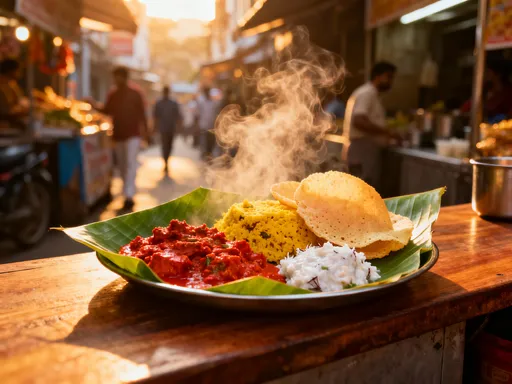
To taste the real Malé, skip the hotel restaurants and head to the local short eats stalls. These roadside vendors, often operating from small carts or kiosks, serve the heart of Maldivian cuisine. The most iconic dish is garudhiya — a clear fish broth served with rice, lime, chili, and roshi (a soft flatbread). It’s simple, nourishing, and deeply flavorful, often eaten for breakfast by locals. Many stalls also offer mas huni, a breakfast staple made from shredded smoked tuna mixed with coconut, onion, and chili, served with roshi.
For a more modern twist, a growing number of urban cafés blend traditional flavors with contemporary presentation. These spaces, often run by young Maldivians returning from abroad, serve fusion dishes like tuna croquettes with coconut chutney or rose-flavored falooda. They are popular with students and professionals and offer a relaxed atmosphere for afternoon tea or light meals. While prices are higher than street stalls, they remain affordable compared to resort dining.
When it comes to drinks, fresh juices are a highlight. Look for vendors selling sugarcane juice, freshly pressed and served over ice — sweet, refreshing, and free of artificial syrups. In certain areas, particularly near fishing docks, you might find toddy — a mildly fermented palm sap drink traditionally consumed by fishermen for energy. While not widely available to tourists, it can occasionally be found in local markets during early morning hours.
Dining in Malé is not just about food — it’s about connection. Meals are often shared, conversations linger, and strangers might invite you to join them for tea. This hospitality is not performative; it’s genuine. By choosing local eateries, travelers support small businesses and participate in the daily rhythm of the city. It’s a simple act that fosters mutual respect and lasting memories.
Hidden Gems: Offbeat Spots Only Locals Know
One of the most peaceful places in Malé is a small courtyard behind a neighborhood mosque. Tucked away from the main roads, this quiet space features a shaded bench, a water fountain for ablutions, and a single frangipani tree. Locals visit for quiet reflection, especially in the late afternoon. While non-Muslims should not enter the prayer area, sitting respectfully on the outer edge of the courtyard offers a rare moment of stillness in an otherwise busy city.
Another hidden treasure is a rooftop viewpoint accessible through a modest apartment building near the city center. With permission from a friendly resident, visitors can climb to the top and witness one of the most breathtaking sunsets in the Maldives. The sky blazes with orange and pink as fishing boats return to harbor, their lights flickering like stars on water. It’s a view rarely seen by tourists, and one that captures the quiet beauty of urban island life.
For those interested in craftsmanship, a small handicraft shop in the old neighborhood of Henveyru offers handmade souvenirs — lacquered boxes, woven mats, and coral jewelry. Run by an elderly couple, the shop is not listed in guidebooks but is cherished by locals. Purchasing a small item supports traditional artisanship and provides a meaningful keepsake. The owners often share stories about their craft, turning a simple transaction into a cultural exchange.
But perhaps the greatest hidden gems are the everyday scenes: laundry lines strung between buildings, their colorful clothes fluttering in the breeze; children playing cricket with a taped-up ball; elderly men reading newspapers under awnings. These moments are not attractions — they are life. Observing them with respect and gratitude allows visitors to see Malé not as a destination, but as a home.
Making the Most of Your Urban Escape: Blending Culture & Comfort
Exploring Malé is most rewarding when approached with balance. The city’s heat and pace can be tiring, so planning is key. Early mornings and late afternoons are ideal for walking, while midday is best spent in shaded cafés or indoor spaces. Staying hydrated, wearing a hat, and using sunscreen are practical steps that enhance comfort without sacrificing experience.
Respecting cultural norms enhances both safety and connection. Dressing modestly, observing prayer times, and speaking politely are simple gestures that open doors. Many locals appreciate when visitors make an effort to learn basic Dhivehi phrases like “assalaamu alaikum” (peace be upon you) or “shukuriyya” (thank you). These small acts of kindness build bridges and enrich interactions.
For those seeking a blend of city and sea, a day trip to Hulhumalé is ideal. This artificial island, just a short ferry ride away, offers wide streets, modern amenities, and a public beach — a perfect contrast to Malé’s density. Spending a morning in the capital followed by an afternoon on the shore provides the best of both worlds: cultural immersion and coastal relaxation.
Ultimately, visiting Malé is not about ticking off landmarks — it’s about presence. It’s about listening to the rhythm of the city, tasting its food, and feeling its pulse. When travelers step into Malé with curiosity and respect, they don’t just see the Maldives — they feel it in their bones. They leave not with just photographs, but with understanding.
Malé isn’t just a gateway — it’s a destination with character, color, and heart. By stepping into its streets, you don’t just see the Maldives; you feel it.