Lost in the Wild Charm of Wales: Where Every Pub, Path, and View Feels Like Home
Have you ever wandered somewhere that quietly stole your heart? Wales did that to me. Between its misty hills, cozy village pubs, and coastal trails that cling to the edge of the world, I found a rhythm I didn’t know I was missing. This isn’t just travel—it’s the kind of slow, soulful roaming where leisure isn’t planned, it’s discovered. Let me take you through the places that made me pause, breathe, and fall in love with wandering all over again.
The Allure of Aimless Wandering in Wales
Wales, though small in size, offers a remarkable diversity of landscapes within a compact area. From rugged mountain ranges to serene river valleys and dramatic coastlines, the country invites exploration without demanding long journeys between destinations. This geographical intimacy makes it ideal for spontaneous travel, where turning down an unmarked lane might lead to a hidden waterfall or a centuries-old stone bridge cloaked in ivy. Unlike larger countries where travel often revolves around ticking off major landmarks, Wales rewards those who embrace the philosophy of wandering—not as a means to an end, but as an experience in itself.
Central to this way of traveling is the Welsh concept of hwyl, a term that captures a deep sense of spirit, passion, and emotional resonance. While often associated with music and religious fervor, hwyl also permeates the way people engage with their land and daily lives. It encourages presence, feeling, and connection rather than efficiency or speed. In the context of travel, this translates into a cultural permission to move slowly, to linger over a view, to accept an invitation for tea from a stranger, or to sit on a hillside simply to watch clouds drift across a valley. There is no rush, no guilt in stillness.
The terrain itself supports this unhurried rhythm. Mountains rise abruptly from green pastures, rivers carve through ancient rock, and coastal paths unfold with constant surprises. Because distances are manageable, it’s possible to begin a day in a quiet forest, hike to a high ridge by midday, and end with a warm meal in a village pub—all without the fatigue of long drives or rigid schedules. This accessibility allows travelers to respond to mood and moment, following intuition rather than itineraries. The result is a form of leisure that feels authentic, restorative, and deeply personal.
Moreover, Wales benefits from an extensive network of public footpaths and rights of way, many of which have been used for centuries by farmers, shepherds, and pilgrims. These paths are not tourist additions but integral parts of the landscape, maintained through tradition and local care. Walking them feels less like visiting a destination and more like stepping into the ongoing life of the region. This continuity gives the traveler a sense of belonging, even as a visitor. In Wales, you don’t just see the scenery—you walk through it, breathe it, and for a while, live it.
Mountain Escapes: Trails That Reward the Patient
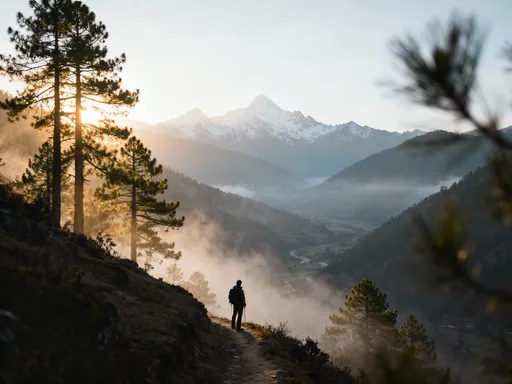
Snowdonia National Park stands as one of Wales’ most iconic natural treasures, drawing thousands each year to its towering peaks and deep valleys. At its heart is Mount Snowdon, the highest point in Wales at 1,085 meters, which can be reached by foot, rail, or even bicycle for the determined. While the summit path can be busy, especially in summer, the true magic of Snowdonia lies beyond the main routes, in the quieter ranges that offer solitude, dramatic vistas, and a deeper connection to the wild.
The Glyderau range, stretching east of Snowdon, is a prime example of this hidden grandeur. Trails here wind through rocky spires, glacial valleys, and high plateaus where silence reigns. The path to Glyder Fawr, though moderately challenging, rewards hikers with panoramic views of the Irish Sea and the Llyn Peninsula. Unlike more commercialized peaks, this area retains a sense of rawness—scree slopes, wind-carved boulders, and the occasional sighting of a peregrine falcon circling overhead. There are no cafes at the top, no souvenir stands—just the satisfaction of having reached a place shaped by time and weather, not tourism.
Another lesser-known gem is Moel Siabod, often called the “Sugar Loaf” of North Wales. Located near the village of Capel Curig, this mountain offers a gentler ascent with equally stunning returns. The trail begins in a pine forest, climbs through open moorland, and finally emerges onto a broad summit where the entire Snowdonia range unfolds in every direction. On clear days, the Isle of Anglesey is visible across the Menai Strait. Because it is not part of the main Snowdon circuit, Moel Siabod sees fewer visitors, making it ideal for those seeking peace and reflection.
Practical considerations enhance the experience without diminishing its spontaneity. Most trailheads have small parking areas, though arriving early ensures a spot, especially on weekends. Proper footwear, layered clothing, and a basic map or GPS device are recommended, as weather in the mountains can change rapidly. A light backpack with water, snacks, and a waterproof jacket makes any hike more comfortable. Yet the goal is not conquest but communion—with nature, with oneself, with the quiet strength of the land. These mountains do not demand admiration; they offer perspective.
Coastal Magic: Where the Sea Meets Serenity
The Pembrokeshire Coast Path, one of Britain’s most celebrated National Trails, stretches for over 180 miles along a coastline of breathtaking beauty. Designated as a National Park, this region combines rugged cliffs, sandy coves, and thriving marine life with a rich cultural history. While the full trail takes about two weeks to complete, even short segments deliver a powerful sense of immersion in nature and coastal rhythm. The path is not merely a route—it is an invitation to slow down and notice.
One of the most accessible and scenic sections is St. David’s Head, a windswept peninsula near the UK’s smallest city. The trail here loops around ancient field systems and Iron Age fortifications, offering views of crashing waves, offshore islands, and, on calm days, the chance to spot seals basking on distant rocks. The air carries the scent of salt and wild thyme, and gulls cry overhead as you walk. There is a meditative quality to the pace, the sound of the sea below, and the vastness of the horizon. This is not exercise for fitness, but movement as mindfulness.
Another highlight is Barafundle Bay, frequently listed among the most beautiful beaches in the UK. Reached only by foot, this crescent of golden sand is framed by steep wooded slopes and dunes. There are no facilities, no shops—just the natural elegance of sand, sea, and sky. Families picnic under the trees, children build sandcastles, and dogs splash in the surf. The absence of commercial development enhances the feeling of discovery, as if you’ve stumbled upon a secret world preserved in time.
Seaside villages along the route provide warmth and hospitality after a day on the trail. In places like Solva or Newport, small cafés serve hearty soups, fresh seafood, and slices of homemade cake. Many have outdoor seating with views of the harbor or estuary, allowing travelers to linger over tea while watching boats bob in the tide. These moments—warm hands around a mug, laughter from a nearby table, the comfort of a dry coat after a drizzly walk—are part of the journey’s true reward. The coast does not just feed the eyes; it nourishes the spirit.
Village Life: The Heartbeat of Welsh Leisure
Beyond the grand landscapes, Wales reveals its soul in its small communities, where daily life unfolds at a gentle pace. These villages are not preserved for tourists but lived in, maintained by generations of families who value tradition, community, and quiet dignity. Wandering through their narrow lanes is an exercise in serendipity—each corner turned might reveal a flower-filled cottage garden, a stone church with a leaning yew tree, or the sound of a fiddle drifting from an open pub window.
Hay-on-Wye, perched on the banks of the River Wye, is renowned for its bookshops. With more than twenty dedicated to secondhand and rare books, it has earned the nickname “the town of books.” Every summer, it hosts the Hay Festival, a major literary event attracting readers and writers from around the world. Yet outside the festival season, Hay retains its intimate charm. You can spend hours browsing shelves stacked with poetry, history, and travel memoirs, then settle into a riverside café with a novel and a pot of tea. The atmosphere is intellectual but never pretentious—curiosity is celebrated, not performed.
Aberaeron, on the west coast, is another gem, known for its brightly colored Georgian houses and working harbor. The promenade is perfect for a morning stroll, especially at low tide when children explore rock pools and fishermen mend their nets. Local shops sell hand-knitted woolens, pottery, and jars of honey from nearby hives. In the evenings, the pace slows further. The streets grow quiet, lamplight glows in pub windows, and the sound of the sea fills the air. There is no need for entertainment; the place itself is the experience.
These villages thrive because they resist the pressures of mass tourism. They do not build large hotels or chain stores. Instead, they offer bed and breakfasts run by welcoming hosts, family-owned restaurants serving seasonal food, and community halls hosting folk dances or craft fairs. Visitors are not crowds but guests. This distinction fosters a sense of mutual respect and belonging. To walk through a Welsh village is not to observe a culture but to be gently invited into it, if only for a day.
Castles and Quiet Corners: History Without the Crowds
Wales is often called the “land of castles,” and with good reason—over six hundred medieval fortresses dot its landscape, a legacy of centuries of conflict and strategic importance. While some, like Caernarfon and Conwy, are UNESCO World Heritage Sites and attract large numbers of visitors, many others remain quiet, accessible only by footpath or country lane. These lesser-known ruins offer a more personal encounter with history, where imagination fills the gaps left by time.
Carreg Cennen Castle, perched on a limestone cliff in Carmarthenshire, is one such place. Reached after a scenic walk through farmland and woodland, the castle commands sweeping views of the surrounding countryside. Its well-preserved walls and deep well suggest a once-powerful stronghold, yet its isolation adds a layer of mystery. Standing on the ramparts, it’s easy to imagine medieval lords surveying their lands or hear the echo of hooves on stone. Unlike busier sites, there are no audio guides or crowded courtyards—just the wind, the birds, and the weight of centuries.
Another hidden treasure is Castell Dinas Brân, a ruined fortress overlooking the town of Llangollen. Built in the 13th century, it stands atop a hill crowned with trees and wildflowers. The climb is moderate but rewarding, with panoramic views of the Dee Valley. The site is free to visit, maintained by local authorities and cared for by volunteers. Families picnic on the grassy slopes, dogs chase sticks, and photographers capture the golden light of late afternoon. History here is not behind glass—it is lived in, played on, and respected.
These castles do not require scholarly knowledge to appreciate. Their power lies in atmosphere, location, and the stories they silently suggest. They invite questions: Who lived here? What did they fear? What did they dream? There are no official answers, only the quiet conversation between past and present. For the wandering traveler, such places are not destinations but moments of reflection, where the journey slows and the mind expands.
The Role of the Pub in Welsh Wandering Culture
No exploration of Wales is complete without acknowledging the central role of the pub. More than just places to drink, traditional inns serve as community hubs, shelters from the weather, and sanctuaries for weary travelers. With their low ceilings, stone fireplaces, and wooden beams, many have stood for centuries, evolving from coaching inns to modern gathering places without losing their soul.
The warmth of a Welsh pub is immediate. Upon entering, you’re likely to be greeted by name, even if it’s your first visit. Locals may nod from the bar, dogs rest by the fire, and the air carries the scent of roasting meat and wood smoke. Menus often feature regional specialties—Welsh lamb, laverbread, cawl (a slow-cooked stew of meat and root vegetables), and fresh fish from the coast. These are meals meant to sustain, not impress—simple, hearty, and deeply satisfying.
Some inns, like The Felin Fach Griffin in Powys or The Cambrian Inn in Tregaron, have earned reputations for their hospitality and quality food. Others remain humble, with no website or online presence, known only to those who follow the footpaths or ask for directions in the village shop. What they share is a commitment to welcome. A pint of local ale—perhaps from a microbrewery in the next valley—is served with conversation, not silence. Strangers become companions over shared tales of the trail or the weather.
For the wandering traveler, the pub is more than a stop—it is a milestone. It marks the end of a long walk, the beginning of an evening, or a moment of rest during a rainy afternoon. It is where stories are exchanged, maps are studied, and plans are quietly revised. In a world that often values speed and efficiency, the Welsh pub stands as a reminder that time spent in good company is never wasted. It is leisure, embodied.
Practical Magic: Making Wandering Work Without Stress
While the spirit of wandering is free, a few practical choices can make the experience safer, more comfortable, and ultimately more rewarding. Wales’s changeable weather is perhaps the most important factor to consider. Rain can arrive suddenly, even on a clear morning, and mountain fog can reduce visibility in minutes. Therefore, dressing in layers—moisture-wicking base, insulating mid, and waterproof outer—is essential. Sturdy walking boots with good grip prevent slips on wet rocks or muddy paths.
Navigation tools are equally important. While many trails are well-marked, carrying a physical map and compass, or using the Ordnance Survey app on a smartphone, ensures you won’t lose your way. Downloading maps in advance allows access even without signal, which can be spotty in remote areas. Informing someone of your planned route and expected return time is a simple but effective safety measure.
Transportation options vary by region. In rural areas, public buses run infrequently, so having a car offers greater flexibility. However, scenic rail lines like the Heart of Wales Railway provide a charming alternative, connecting small towns through rolling hills and river valleys. Some hikers combine train travel with walking, using the rail as a shuttle between trailheads.
Accommodation plays a key role in the rhythm of the journey. Bed and breakfasts, often run by couples who have lived in the area for decades, offer more than a room—they provide local insights, breakfasts made with regional ingredients, and genuine hospitality. Small hotels and self-catering cottages also allow travelers to set their own pace, returning from a walk to a warm fire and a quiet evening. The goal is not luxury, but comfort that supports the journey’s purpose: rest, reflection, and renewal.
Conclusion: Why Wales Redefines the Art of Leisure
Wales does not shout its beauty. It does not advertise its wonders with billboards or promise instant transformation. Instead, it offers something rarer in our fast-paced world: space, silence, and authenticity. Here, leisure is not a scheduled activity but a state of being, found in the pause between steps, the warmth of a fire, the kindness of a stranger. It is not purchased or performed but discovered, like a path appearing through the mist.
What makes Wales unique is not just its landscapes, but the way they invite a different way of moving through the world. You do not conquer these hills or master these trails. You walk with them, learn from them, and sometimes, if you’re quiet enough, they speak back. The castles, the coasts, the villages—they are not exhibits but living parts of a culture that values depth over speed, connection over convenience.
To travel in Wales is to remember that the best moments are often unplanned. It is to trust that wandering has purpose, even without a destination. It is to believe that a cup of tea in a harbor café, a view from a lonely ridge, or a conversation in a centuries-old pub can be enough—more than enough—to fill a day, a memory, a life.
So let go of the itinerary. Step off the beaten path. Let the rhythm of Wales find you. Because sometimes, the place you’ve been searching for isn’t on the map. It’s where the path ends, the wind rises, and your heart finally slows down.