You Gotta See These Hidden Cultural Gems in Jakarta
Jakarta isn’t just skyscrapers and traffic—it’s a city alive with culture. From traditional dance to street food rooted in centuries-old traditions, I was blown away by how much authenticity survives in Indonesia’s bustling capital. If you're looking for real experiences beyond the guidebooks, this is where to start. Let me take you through the cultural heartbeat of Jakarta—vibrant, raw, and totally unforgettable. While many travelers pass through quickly or view it as merely a transit point, those who pause long enough to listen will hear the rhythm of a city shaped by centuries of trade, migration, and resilience. Beneath the modern surface lies a deep cultural current, one that blends indigenous heritage with colonial echoes and global influences. This is not a museum piece—it’s a living, breathing urban tapestry where tradition walks hand in hand with progress.
Why Jakarta’s Culture Surprises Most Travelers
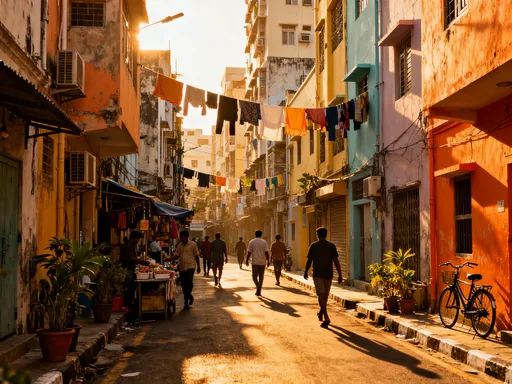
Most first-time visitors arrive in Jakarta with expectations shaped by headlines: traffic congestion, towering glass buildings, and the pace of a megacity in overdrive. It’s easy to overlook the soul beneath the surface. Yet, for those willing to look beyond the urban sprawl, Jakarta reveals a rich cultural identity that defies stereotypes. The surprise lies not in the absence of chaos, but in the persistence of tradition within it. On a quiet morning in North Jakarta, a fisherman casts his net using methods passed down through generations. In a narrow alley in Central Jakarta, the scent of spices from a Betawi kitchen drifts into the street, signaling a recipe unchanged for decades. These moments are not staged for tourists—they are part of daily life.
The Betawi people, Jakarta’s indigenous community, are central to this cultural endurance. Though their numbers have diminished due to urbanization and intermarriage, their traditions remain woven into the city’s fabric. You’ll see it in the rhythmic beat of the gambang kromong music drifting from a neighborhood celebration, or in the vibrant colors of an ondel-ondel puppet carried through the streets during a local festival. Jakarta’s identity as a cultural crossroads—where Malay, Javanese, Chinese, Arab, and Dutch influences converge—has created a unique blend that is both diverse and deeply rooted. This is not a city that erased its past; it adapted it.
What makes Jakarta’s cultural landscape especially compelling is its organic nature. Unlike carefully preserved heritage zones in other capitals, Jakarta’s traditions thrive in everyday spaces—markets, alleyways, community halls. There’s no need to search for authenticity because it doesn’t hide. A grandmother selling kerak telor at a weekend market isn’t performing; she’s sharing her family’s legacy. This unfiltered access to living culture is what makes Jakarta so rewarding for thoughtful travelers. The city doesn’t present culture as a spectacle—it simply lives it, inviting those who pay attention to participate in its ongoing story.
The Heartbeat of Tradition: Exploring Old Batavia (Kota Tua)
At the heart of Jakarta’s historical identity lies Kota Tua, or Old Town, a neighborhood that transports visitors back to the 17th century. Once the center of Dutch colonial rule in the East Indies, this area is now a protected heritage zone where cobblestone streets, red-roofed buildings, and antique streetlamps create a striking contrast to the glass towers nearby. Walking through Kota Tua feels like stepping into a living museum—one that doesn’t just display history but hosts it. The Jakarta History Museum, housed in the former city hall of Batavia, offers an engaging overview of the city’s evolution, from its days as a trading port to its role in Indonesia’s independence movement.
But the real magic of Kota Tua unfolds outside the museum walls. On weekends, the square transforms into a lively gathering place for locals and tourists alike. Street performers entertain crowds with traditional music and dance, while families picnic on the grass under the shade of old banyan trees. One of the most delightful ways to explore the area is by renting a vintage bicycle—some decorated with flowers and bells—from one of the local vendors. Pedaling through the quiet streets at sunrise, with the morning light reflecting off colonial facades, offers a peaceful and intimate way to connect with the city’s past.
Kota Tua is more than a tourist attraction; it’s a space where history and modern life intersect. Local artisans sell handmade crafts, young artists sketch the architecture, and couples take wedding photos against the backdrop of historic buildings. The area has successfully balanced preservation with accessibility, making it one of Jakarta’s most welcoming cultural destinations. For travelers, the best time to visit is early Saturday or Sunday morning, before the crowds arrive. Public transportation options include the TransJakarta busway, which stops nearby, or the commuter train to Kota Station. While the area is generally safe and well-maintained, it’s wise to stay aware of your surroundings and keep valuables secure, especially during peak hours.
Living Heritage: The Betawi People and Their Customs
The Betawi people are the original inhabitants of Jakarta, descendants of various ethnic groups who settled in the region during the colonial era. Over time, they developed a distinct cultural identity shaped by Malay, Javanese, Sundanese, Chinese, Arab, and Dutch influences. Today, while many Betawi live throughout the city, efforts to preserve their heritage are most visible in designated cultural villages like Setu Babakan, located in the southern part of Jakarta. This area serves as a living classroom where traditional houses, known as rumah panggung, stand on stilts surrounded by gardens, and weekly cultural performances keep ancient customs alive.
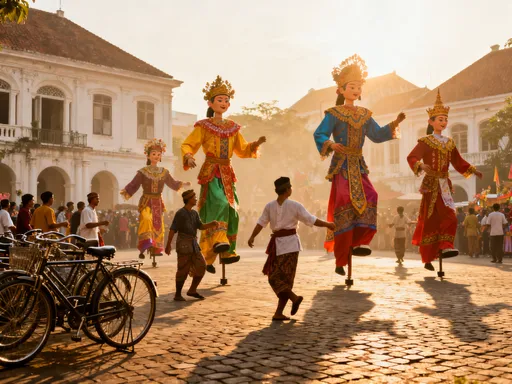
One of the most iconic symbols of Betawi culture is the ondel-ondel, a large, colorful puppet depicting a giant man and woman, often seen at celebrations. These figures, once believed to ward off evil spirits, are now a joyful presence at weddings, festivals, and public events. Watching a pair of performers maneuver the towering puppets, their heads bobbing to the beat of drums and gongs, is a mesmerizing experience. Other cultural expressions include the traditional wedding ceremony, which involves elaborate rituals, specific attire, and community-wide feasting. These events are not reenactments—they are real celebrations that continue to be practiced by Betawi families.
For travelers interested in witnessing authentic Betawi traditions, attending a community event or visiting Setu Babakan on a performance day is highly recommended. The site offers guided tours, craft demonstrations, and opportunities to try traditional snacks like kerupuk udang and dodol betawi. Importantly, tourism can play a positive role in cultural preservation when done respectfully. By supporting local guides, purchasing handmade souvenirs, and engaging with the community in a thoughtful way, visitors contribute to the sustainability of these traditions. The survival of Betawi culture depends not only on government programs but on everyday recognition and appreciation—something every traveler can help provide.
Cultural Eats: More Than Just Street Food
In Jakarta, food is more than sustenance—it’s a language of heritage. Every dish tells a story of migration, adaptation, and family. The city’s culinary scene is a direct reflection of its multicultural roots, where flavors from across the archipelago and beyond have merged into something uniquely Jakartan. While street food is abundant, the most meaningful experiences come from understanding the context behind what you’re eating. Take kerak telor, for example—a rich, crispy omelet made with egg, rice flour, and shredded coconut, often topped with fried shallots and a sprinkle of nori. This beloved Betawi specialty is traditionally prepared by vendors during festivals and is rarely found in restaurants, making it a true street gem.
Another must-try is soto Betawi, a hearty beef soup simmered in coconut milk and spices, served with emping crackers and fresh lime. Unlike other soto variations found in Indonesia, this version is creamy and aromatic, reflecting the city’s historical access to coastal ingredients and trade goods. Then there’s bir pletok, a non-alcoholic herbal drink made from a blend of roots and spices like jahe (ginger) and kayu secang. Once consumed by Dutch colonists as a substitute for beer, it has become a symbol of local pride and is often enjoyed during cultural events.
To experience these flavors in their most authentic setting, visiting local markets is essential. Pasar Baru, one of Jakarta’s oldest markets, offers not only textiles and souvenirs but also food stalls serving generational recipes. Blok M in South Jakarta, while more modern, still hosts evening street food gatherings where locals queue for favorites like nasi goreng Betawi and martabak manis. When eating street food, basic hygiene precautions are wise—choose stalls with high turnover, observe food handling practices, and carry hand sanitizer. Most vendors accept cash, though digital payments like GoPay and OVO are increasingly common. The key to enjoying Jakarta’s food culture is to eat like a local: slowly, socially, and with curiosity.
Arts & Performance: From Wayang to Urban Graffiti
Jakarta’s artistic spirit thrives in both tradition and innovation. While the city is often associated with commerce and congestion, its creative scene is quietly flourishing. Traditional art forms like wayang kulit, the intricate shadow puppetry that tells stories from the Ramayana and Mahabharata, are still performed in cultural centers and during religious festivals. These performances, accompanied by a live gamelan orchestra, can last for hours and are as much a spiritual experience as an artistic one. In recent years, efforts to keep these traditions alive have included school programs and public workshops, ensuring that younger generations remain connected to their heritage.
At the same time, Jakarta’s contemporary art scene is gaining recognition. Institutions like Galeri Nasional Indonesia showcase modern Indonesian paintings, sculptures, and multimedia installations, often exploring themes of identity, urban life, and social change. The Jakarta Institute of the Arts (ISI) also maintains a presence in the city, hosting student exhibitions and experimental performances. What makes the arts scene particularly dynamic is the way traditional and modern forms intersect—such as a street mural in Kampung Luar Batang that blends Betawi motifs with urban graffiti, or a fashion show that reinterprets traditional textiles in avant-garde designs.
For travelers, engaging with Jakarta’s arts doesn’t require visiting a gallery. Pop-up performances in parks, cultural festivals in public squares, and community art walks offer accessible ways to experience creativity in action. Attending a live gamelan performance, even for just one piece, can be a profound moment of connection. The layered sounds of metallophones, drums, and flutes create a meditative atmosphere that transcends language. Some cultural centers offer short workshops where visitors can try their hand at puppet making or basic gamelan playing—an ideal way to deepen understanding through participation. In a city that moves quickly, these artistic expressions offer moments of reflection and beauty.
Festivals That Define the City’s Rhythm
Jakarta’s calendar is marked by festivals that bring the city’s cultural identity to life. Among the most significant is the annual Jakarta Anniversary, celebrated every June since the city’s founding in 1527. What began as a formal commemoration has evolved into a month-long celebration featuring parades, concerts, food fairs, and traditional games. The highlight is the grand procession through the city center, where delegations from different districts showcase their local cultures through dance, music, and costume. It’s a powerful display of unity in diversity, with participants from all ethnic backgrounds contributing to the festivities.
The Betawi Festival, usually held in September, is another key event dedicated specifically to preserving and promoting indigenous culture. Held at venues like Setu Babakan or Monas (National Monument), the festival features ondel-ondel parades, traditional sports like lompat batu (stone jumping), and cooking competitions featuring authentic Betawi dishes. Families come together to watch performances, try crafts, and enjoy food, creating a warm, community-centered atmosphere. For visitors, it’s an unparalleled opportunity to witness living traditions in their most vibrant form.
Another beloved weekly event is Car Free Day, held every Sunday morning along Jalan Sudirman and Jalan Thamrin. While not a traditional festival, it has become a cultural institution in its own right. With traffic closed off, the streets fill with joggers, cyclists, street performers, and food vendors. You’ll see elderly residents practicing tai chi, children learning traditional dance, and bands playing everything from kroncong to pop music. It’s a democratic space where all generations and social classes come together. For travelers, attending Car Free Day offers a genuine sense of Jakarta’s daily life—active, inclusive, and full of energy. To make the most of any festival, arrive early, bring water and sunscreen, and wear comfortable shoes. Most events are free and open to the public, though large gatherings may require extra patience when navigating crowds.
Smart Cultural Travel: Respect, Access, and Impact
Engaging with Jakarta’s culture goes beyond sightseeing—it requires mindfulness and respect. Understanding local customs enhances the experience for both visitor and host. Dressing modestly, especially when visiting cultural or religious sites, is appreciated. When photographing people, particularly during ceremonies or in traditional attire, it’s polite to ask permission first. Simple gestures like greeting locals with a smile or a polite “selamat siang” (good afternoon) can open doors to meaningful interactions. These small acts of courtesy reflect a deeper respect for the community and its traditions.
Responsible tourism also means being selective about the experiences you support. While some cultural shows are authentic, others may be commercialized or staged purely for tourist consumption. Seek out community-based initiatives, such as guided tours led by Betawi residents or cooking classes hosted in local homes. These not only provide more genuine insights but also ensure that economic benefits go directly to the people preserving the culture. Avoid attractions that exploit performers or present traditions in a distorted way. Authenticity is not a performance—it’s a way of life.
Supporting cultural preservation can be as simple as purchasing handmade crafts, attending local events, or sharing respectful stories online. Every traveler has the power to contribute positively by choosing experiences that honor rather than commodify heritage. In doing so, you help ensure that Jakarta’s cultural gems remain vibrant for future generations. More than just a checklist of sights, cultural travel is about connection—between people, histories, and shared humanity. Jakarta, with its layered past and resilient spirit, reminds us that even in the busiest cities, tradition can thrive when we take the time to see, listen, and respect. Let your journey be one of discovery, not just of a place, but of its soul.