You Won’t Believe These Art Spots in Ljubljana
Ljubljana hides art in plain sight—on walls, under bridges, in old factories turned creative hubs. I wandered the city with no map, just curiosity, and stumbled upon galleries where locals sketch espresso in hand and street murals that shift meaning in sunlight. This isn’t just a guide—it’s a love letter to urban creativity. If you think art lives only in museums, Ljubljana will rewrite your soul. The Slovenian capital, often overlooked in favor of flashier European destinations, reveals itself slowly, like a watercolor blooming on damp paper. Every bridge, alley, and courtyard carries a whisper of imagination. For women between 30 and 55 who seek meaningful travel—where beauty meets authenticity—Ljubljana offers an invitation to rediscover wonder not through spectacle, but through intimacy, resilience, and quiet rebellion.
The Heartbeat of a Creative Capital
Ljubljana’s transformation from a quiet post-war capital into a vibrant European hub for contemporary art is nothing short of remarkable. Once defined by gray administrative buildings and a reserved civic demeanor, the city has reinvented itself over the past three decades through a unique fusion of civic vision and grassroots energy. This evolution did not come from top-down tourism campaigns, but from a deep cultural shift that values creativity as essential to public life. The city government has actively supported the conversion of abandoned industrial spaces into cultural centers, offering low-cost leases to artists and collectives. At the same time, citizens have embraced art as a form of civic pride, not just personal expression. The result is a city where artistic energy flows as naturally as the Ljubljanica River through its heart.
What sets Ljubljana apart is its scale. Unlike larger capitals where art can feel distant or institutional, here it remains human-sized. You can walk from a centuries-old church to an experimental sound installation in ten minutes. The city’s population of around 280,000 allows for intimacy—artists know each other, collaborate across disciplines, and engage directly with the public. This closeness fosters innovation without pretension. Murals appear overnight, pop-up exhibitions open in vacant storefronts, and poetry readings happen in laundromats. Art is not something reserved for weekends or special occasions; it is woven into daily rhythms, accessible to anyone who walks with open eyes.
Policy has played a quiet but powerful role. Since the early 2000s, Ljubljana has prioritized pedestrianization, reducing car traffic and reclaiming public space for people. This shift created room—not just physically, but psychologically—for creativity to flourish. Squares once dominated by parking lots now host open-air galleries and performance stages. The city also funds public art initiatives through the Ljubljana Tourism Board and the Ministry of Culture, ensuring that art remains inclusive rather than commercialized. Yet, crucially, this support does not stifle independence. Artists retain creative control, allowing the scene to remain authentic, diverse, and occasionally provocative. This balance between structure and freedom is rare—and it is central to Ljubljana’s artistic soul.
Metelkova Mesto: Where Rebellion Became Art
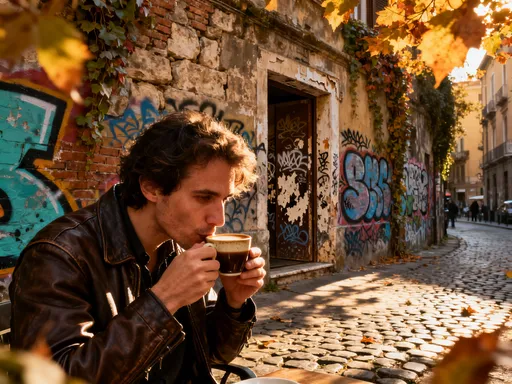
No visit to Ljubljana’s art scene is complete without stepping into Metelkova Mesto, a former Austro-Hungarian military barracks turned autonomous cultural zone. Occupied in 1993 by a coalition of artists, activists, and alternative groups, this seven-building complex was saved from demolition through direct action and has since evolved into one of Europe’s most enduring examples of self-managed urban culture. Today, it pulses with color, sound, and unfiltered expression. Every wall is a canvas—some painted in bold political slogans, others layered with surreal dreamscapes or abstract patterns that seem to shift as you walk past. Sculptures crafted from scrap metal, old bicycles, and discarded electronics rise like monuments to reinvention. This is not art designed for quiet contemplation; it is alive, loud, and deeply participatory.
The atmosphere at Metelkova is electric, especially at night. Music spills from repurposed shipping containers serving as clubs, where DJs spin experimental electronica, punk bands rage in dimly lit basements, and performance artists command improvised stages. The energy is raw and unpolished—intentionally so. There are no ticketed events or velvet ropes; entry is often free, and interaction is expected. Visitors are encouraged to dance, debate, or simply sit on a graffiti-covered bench and absorb the moment. For many women who come here, especially those balancing family and routine, Metelkova offers a rare sense of liberation—a place where rules dissolve and self-expression takes center stage. It’s not about perfection; it’s about presence.
Despite its rebellious origins, Metelkova has gained a degree of official recognition. While still self-governed, it now receives limited public funding and collaborates with city institutions on cultural projects. Yet it has not lost its edge. Annual events like the No Name Festival celebrate underground music and performance, drawing international visitors while remaining rooted in local values. Workshops on zine-making, analog photography, and DIY instrument building invite hands-on participation. For families, weekend open days offer child-friendly art activities, proving that radical creativity and inclusivity can coexist. Metelkova stands as a testament to what happens when a community refuses to let space go to waste—and instead fills it with life, color, and unapologetic imagination.
Tivoli Creative Quarter: Elegance Meets Innovation
Just a short walk from the bustling city center, the Tivoli Creative Quarter offers a quieter, more contemplative side of Ljubljana’s art landscape. Nestled beside the expansive Tivoli Park—the city’s green lung—this district blends 19th-century architecture with cutting-edge cultural initiatives. The buildings, once part of a military hospital complex, now house galleries, research institutes, and artist residencies. Unlike the chaotic energy of Metelkova, Tivoli exudes a calm sophistication, making it ideal for those who appreciate depth, nuance, and the slow unfolding of ideas. It is a place to pause, reflect, and engage with art that challenges the mind as much as it delights the eye.
The Alkatraz Gallery, located in a converted pavilion, is a standout in this area. Known for its focus on conceptual and socially engaged art, it hosts rotating exhibitions that explore themes like migration, environmental change, and digital identity. One recent installation used augmented reality to overlay historical images of Ljubljana onto present-day streets, inviting visitors to walk through layers of time. The gallery also emphasizes accessibility, offering guided tours in multiple languages and sensory-friendly hours for visitors with autism or anxiety. For women seeking intellectually rich experiences without sensory overload, Alkatraz provides a welcoming, thoughtfully designed space.
Nearby, the Kersnikova Institute acts as a bridge between art, technology, and civic life. This interdisciplinary hub supports projects that merge robotics, bio-art, and interactive design with social purpose. One ongoing initiative trains young people from underserved communities in digital fabrication, empowering them to create public art that reflects their stories. The institute also hosts public lectures and open labs, where visitors can watch artists build responsive sculptures or code sound installations in real time. These moments of creative transparency—seeing the process, not just the product—are deeply inspiring, especially for those who may have set aside their own creative dreams amid life’s responsibilities.
The surrounding cafés and park benches serve as informal meeting grounds for artists, academics, and curious locals. It’s common to see someone sketching in a notebook, reading poetry, or deep in conversation about the latest exhibition. This blend of nature, history, and innovation makes Tivoli a restorative corner of the city—perfect for a morning walk followed by coffee and conversation. For women who value balance—between stimulation and stillness, tradition and progress—Tivoli offers a model of how art can enrich daily life without demanding constant excitement.
Street Art Beyond the Main Paths
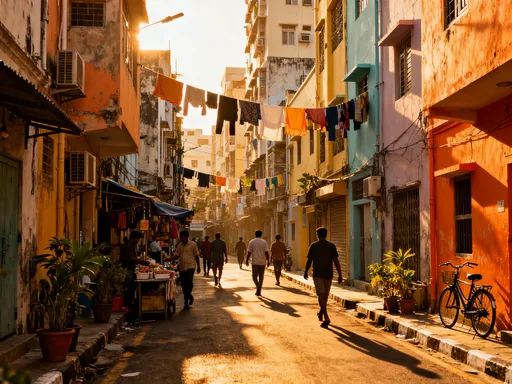
While guidebooks often highlight Ljubljana’s picturesque riverfront and historic castle, some of the city’s most compelling art lies off the beaten path—in narrow alleys, behind tram stops, and on the sides of unassuming apartment blocks. This is where street art thrives not as decoration, but as dialogue. Stenciled poems appear near the Central Market, their verses fading with rain, only to be repainted by anonymous hands. Optical illusion murals stretch across building facades, making walls appear to crumble or bloom with impossible gardens. These works do not shout; they whisper, inviting closer inspection and personal interpretation.
One of the most respected figures in this scene is Aleš Bombek, whose stenciled figures often depict everyday citizens—women in aprons, children on bicycles, elders reading newspapers—elevated into poetic symbols of resilience. His work avoids grand statements, instead focusing on the quiet dignity of ordinary life. Another notable artist, Nika Autor, combines photography and installation to explore themes of labor and migration. Her “Train Odyssey” series, partially displayed in public spaces, reimagines railway workers as modern-day nomads, their stories etched into metal plaques along walking paths. These artists remind us that street art is not just about aesthetics; it is a form of civic storytelling, preserving memory and sparking empathy.
While organized walking tours—such as those offered by Ljubljana Street Art or Urban Adventures—can provide valuable context, the most memorable discoveries often happen by chance. Turning a corner in the Šiška neighborhood, you might encounter a vibrant mural of a woman weaving a tapestry made of city maps, her hands blending past and present. In the Krakovo district, a once-overlooked courtyard has been transformed into an open-air gallery, with local residents contributing painted tiles that depict family recipes, childhood memories, and garden flowers. These grassroots projects reflect a deep sense of ownership—art not imposed from above, but grown from within.
For women who have spent years nurturing homes and families, these intimate, community-driven works can be especially moving. They speak of care, continuity, and quiet transformation—values often overlooked in mainstream art narratives. Exploring these hidden spots becomes more than sightseeing; it becomes a form of recognition, a reminder that beauty and meaning are not reserved for grand gestures, but live in the details, the margins, the places we pass every day without noticing.
Galleries with a Soul: Beyond White Walls
Ljubljana’s gallery scene thrives not despite its intimacy, but because of it. Unlike major capitals where museums can feel overwhelming or impersonal, here even the largest institutions maintain a human touch. The Museum of Modern Art, known locally as Moderna Galerija, houses the most comprehensive collection of Slovenian art from the 20th and 21st centuries. Works by Zoran Mušič, whose haunting post-war paintings reflect on suffering and transcendence, share space with vibrant abstracts by Marij Pregelj and experimental installations by younger artists. What makes the museum exceptional is its refusal to keep art behind glass. Sculptures are placed throughout the garden, where children play beside bronze figures, and seasonal installations spill into nearby parks, blurring the line between institution and environment.
The gallery experience in Ljubljana often feels personal. At the Photon Gallery, dedicated to contemporary photography, exhibitions are curated to evoke emotion rather than demonstrate technique. One recent show, “Mothers’ Hands,” featured close-up images of women’s hands engaged in daily acts—baking, writing, holding children, mending clothes. The simplicity was powerful, resonating deeply with visitors who saw their own lives reflected in the frames. Staff members, often practicing artists themselves, engage in conversation rather than stand silently at desks. You might ask about a photograph and end up discussing motherhood, memory, and the passage of time over a shared cup of tea.
The City Art Gallery, housed in a sleek, light-filled building near Prešeren Square, focuses on rotating exhibitions of local and regional talent. It serves as a launchpad for emerging artists, many of whom are women exploring themes of identity, caregiving, and environmental stewardship. The gallery also hosts public workshops—printmaking for beginners, creative journaling, mindful drawing—designed to lower the barrier between viewer and creator. These programs acknowledge a truth many women know too well: that creativity is not a luxury, but a necessity for well-being. By inviting participation, Ljubljana’s galleries do more than display art—they restore it to the people.
Art in Motion: Festivals and Seasonal Highlights
The rhythm of Ljubljana’s year is marked not by shopping seasons or political calendars, but by its cultural festivals. These events transform the city into a living canvas, where art is not observed from a distance, but experienced in motion. The June Festival, held annually in early summer, turns streets, parks, and courtyards into stages for dance, theater, and music. Performances unfold unexpectedly—a string quartet playing beneath a bridge, a solo dancer moving through a market crowd—inviting passersby to pause and participate. For families, many events are free and outdoors, creating shared moments of wonder that transcend age and language.
Equally magical is the Light Festival, held each February. As winter dusk falls, buildings along the river are illuminated with projected art—animated patterns, historical reenactments, abstract light sculptures. The reflections dance on the water, turning the Ljubljanica into a ribbon of color. One installation, “Women of the City,” honored female poets, scientists, and activists with glowing portraits and voice recordings that played as visitors walked by. These festivals are not tourist spectacles; they are civic celebrations, deeply embedded in local life. Schools close early, neighbors gather with thermoses of tea, and artists are treated as essential contributors to the city’s soul.
The Vitrine Center for Contemporary Art adds another layer, curating site-specific works in empty shop windows throughout the city center. What could be eyesores—vacant storefronts—become impromptu galleries, displaying sculptures, video art, and textile pieces that respond to their surroundings. A window on a busy corner might show a mannequin dressed in protest signs; another, in a quieter lane, could hold a miniature garden growing from old suitcases. These interventions are subtle but powerful, reminding us that art does not require grand spaces to make an impact. For women who appreciate small, meaningful gestures, these quiet surprises offer daily doses of inspiration.
How to Explore Like a Local
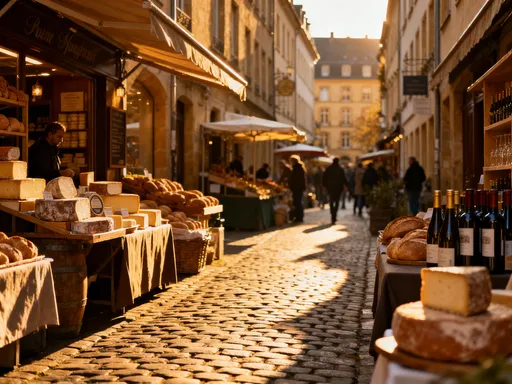
To truly experience Ljubljana’s art, you must slow down. Forget ticking off landmarks; instead, let curiosity guide you. Begin at dawn, when the city is soft with mist and the first light gilds the dragon statues on the bridge. Sit at a riverside café with a strong espresso and watch as artists arrive with sketchbooks, claiming their favorite spots. Order a kremšnita—a creamy pastry beloved by locals—and strike up a conversation. Slovenians are reserved at first, but warm quickly when met with genuine interest. Ask about favorite galleries, hidden murals, or upcoming openings. You’ll likely be rewarded with a smile and a handwritten note with an address.
From there, drift. Cross the Triple Bridge and turn not toward the castle, but into the side streets of Šiška or the riverside path leading to Krakovo. Rent a City Bike—Ljubljana’s public system—and let spontaneity decide your route. Stop wherever color catches your eye: a painted utility box, a mosaic tucked beside a doorway, a mural of a grandmother reading to her granddaughter. Carry a small notebook. You don’t need to be an artist to record what moves you—a phrase, a shape, a feeling. These fragments become your own exhibition, a personal archive of the city’s soul.
Visit galleries during weekday afternoons, when crowds are thin and staff have time to talk. Attend a free opening night—many galleries host them on Fridays—where you can mingle with artists, sip wine, and hear the stories behind the work. If you’re traveling with children, look for family days at the National Gallery or interactive workshops at Kersnikova. Art here is not a solitary pursuit; it is a shared language, a way of connecting across generations.
Most importantly, stay open. In Ljubljana, art does not announce itself with fanfare. It appears in a child’s chalk drawing on pavement, in the pattern of ivy on a wall, in the way sunlight hits a stained-glass window at three in the afternoon. It asks only that you pay attention. For women who have spent years attuned to the needs of others, this city offers a rare gift: the permission to be moved, to be curious, to reclaim your own sense of wonder.
Conclusion
Ljubljana proves that great art does not require grand scale—only vision, courage, and a commitment to inclusion. Its power lies in accessibility, diversity, and the seamless blend of old and new. From the rebellious walls of Metelkova to the contemplative halls of the Museum of Modern Art, creativity breathes through every corner. This is a city where art is not something you merely observe, but something you live. It happens in conversations, in quiet moments of recognition, in the decision to stop and look more closely.
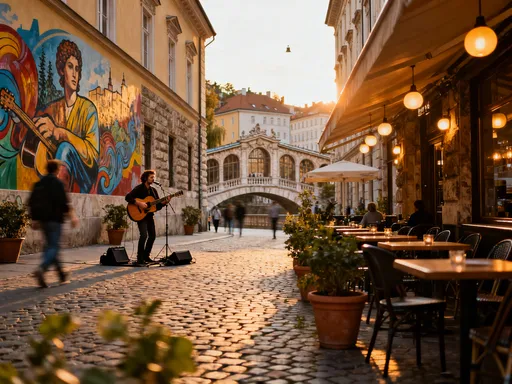
To visit Ljubljana is to remember that beauty is not distant or elite. It is here, in the everyday, waiting to be noticed. It lives in the hands of a woman painting her kitchen wall, in the song of a street musician at dusk, in the way a community transforms forgotten spaces into places of meaning. For women who seek travel that nourishes the spirit, this city offers a profound truth: that creativity is not lost with age or responsibility, but deepens with experience.
Let Ljubljana surprise you. Let it remind you that you, too, are part of the story. And when you return home, you’ll carry its quiet rebellion with you—not as a souvenir, but as a quiet knowing: that art is not something you find. It is something you become.