What If Art Lived on Every Riverbank? Varanasi Unfiltered
You know that feeling when a place doesn’t just show you beauty, but makes you feel it in your bones? That’s Varanasi. I didn’t go for the temples or the ghats—I went for the art, hidden in plain sight. What I found was more raw, more real than any gallery could hold. From brushstrokes on crumbling walls to silk weavers breathing life into gold-threaded fabric, this city doesn’t create art—it is art. And the best viewpoints? They’re not on postcards. They’re in moments you can’t plan, only experience. This ancient city along the Ganges doesn’t display creativity like a museum curates exhibits. Instead, art here is lived, worn, sung, and woven into the rhythm of daily life. To walk through Varanasi is to step inside a living masterpiece, where every sense is engaged and every moment holds a composition waiting to be seen.
The Soul of the City: Where Art Isn’t Made—It’s Lived
Varanasi resists definition, especially when it comes to art. Unlike cities where galleries stand as temples to aesthetics, Varanasi treats art as an extension of existence. It does not separate the sacred from the creative, nor the functional from the beautiful. In this 3,000-year-old city, art is not something one merely observes—it is something one participates in. The call to prayer from temple spires blends with the clang of metalworkers shaping brass lamps. Women grind turmeric and sindoor on stone slabs, their rhythmic motions resembling a ritual dance. Children draw gods in chalk on steps worn smooth by centuries of feet. These are not performances for tourists; they are acts of daily life, each carrying an artistic grace born of tradition and repetition.
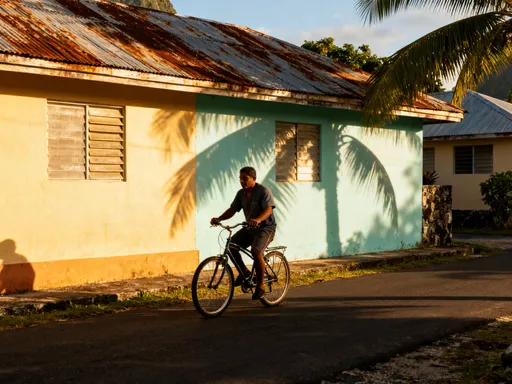
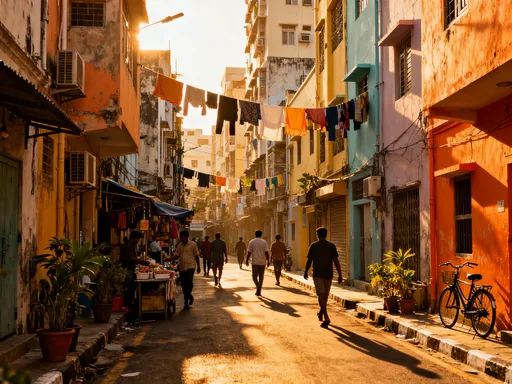
Architecture in Varanasi tells a story not through symmetry or grandeur, but through accumulation. Buildings lean into one another like elders sharing secrets, their facades layered with peeling paint, religious symbols, and handwritten signs. Balconies overflow with marigolds and laundry, creating accidental still-life compositions that shift with the breeze. Even decay becomes expressive—cracked plaster reveals brick patterns beneath, like a painting revealing its underdrawing. The city’s aesthetic is not about perfection, but about presence. It invites the observer to slow down, to notice how color, sound, and motion form a continuous, evolving artwork.
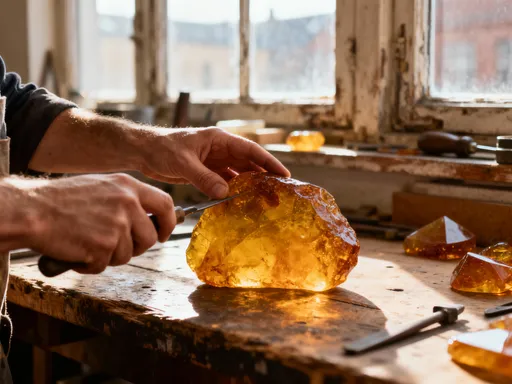
What makes this artistic immersion possible is the deep connection between craft and culture. For generations, families have passed down skills not as professions, but as inheritances woven into identity. A potter shaping clay on a spinning wheel isn’t just making a vessel—he’s continuing a lineage. A priest lighting incense isn’t just performing a ritual—he’s choreographing a sensory experience. In Varanasi, art isn’t extracted from life; it is life itself, unfolding in real time. To witness it is to understand that creativity doesn’t always need a frame.
Ghats as Galleries: Finding Art Along the River’s Edge
The ghats of Varanasi—over eighty of them stretching along the Ganges—are not just riverfront steps. They are open-air galleries, each with its own character, palette, and rhythm. No two ghats offer the same view, and no single moment captures their full essence. At dawn, Assi Ghat glows in soft gold as early risers perform yoga on the stones. The river mirrors the sky, turning water into a canvas of shifting hues. As the sun rises, figures emerge—pilgrims dipping into the current, their white garments trailing like brushstrokes across the surface. The scene is not staged; it is repeated, refined, and renewed with each tide.
Dashashwamedh Ghat, the heart of evening aarti, transforms into a theater of light and sound. As priests raise flaming lamps in synchronized motion, the air fills with chants and the scent of sandalwood. The flames dance in concentric circles, their reflections pulsing on the water like living embers. This ritual, performed daily for decades, is not just religious—it is performative, a choreographed spectacle where devotion and artistry merge. The ghat becomes a stage, the river a reflective floor, and the sky a backdrop painted in twilight purple and orange. Visitors often raise cameras, but the true impact lies in being there, feeling the heat of the flames, hearing the resonance of bells, and sensing the collective energy of hundreds focused on a single moment of beauty.
Each ghat offers a different lens on human expression. Manikarnika, known for funeral pyres, carries a solemn dignity. The smoke rising into the sky forms abstract lines against the clouds, a transient drawing in the atmosphere. Nearby, children play hopscotch on stone steps, drawing numbered squares in chalk—a contrast that speaks to Varanasi’s embrace of life and death as part of the same cycle. The ghats are not static displays; they are dynamic, shaped by time, tide, and human presence. To walk them is to move through a living exhibition, where every turn reveals a new composition of color, gesture, and light.
Walls That Whisper: Street Art and Sacred Graffiti
Beyond the riverfront, Varanasi’s narrow alleys hide another layer of artistic expression—its walls. These are not blank surfaces, but archives of devotion, memory, and everyday creativity. Faded images of Shiva, Ganesha, and Durga appear on crumbling facades, their outlines softened by rain and time. Some are painted with care, others sketched quickly with chalk or charcoal. In one lane, a mother draws a protective symbol above her doorway; in another, a shopkeeper paints a lotus beside his stall, believing it brings prosperity. These markings are not vandalism—they are offerings, prayers made visible.
Unlike Western street art, which often carries political or rebellious messages, Varanasi’s wall art emerges from a different impulse. It is less about protest and more about presence—about marking a space as sacred, loved, or watched over. Children add their own layers, drawing animals, bicycles, or cartoon figures beside ancient deities. These overlapping images create a visual dialogue between generations, where tradition and spontaneity coexist. Up close, the walls reveal texture—cracks filled with moss, paint layered like sediment, stickers peeling at the edges. What looks like decay from a distance becomes, upon closer inspection, a rich tapestry of meaning and memory.
Photographers and artists often miss this subtlety, drawn instead to the grand temples or bustling ghats. But the true artistry of Varanasi lies in these overlooked details. A chipped wall with a half-erased goddess becomes a metaphor for the city itself—worn but enduring, fragmented but whole. To see it is to practice a different kind of looking, one that values imperfection and embraces the passage of time. These walls do not shout; they whisper. And if you listen, they tell stories older than memory.
The Weavers’ Rhythm: Banarasi Silk as Moving Art
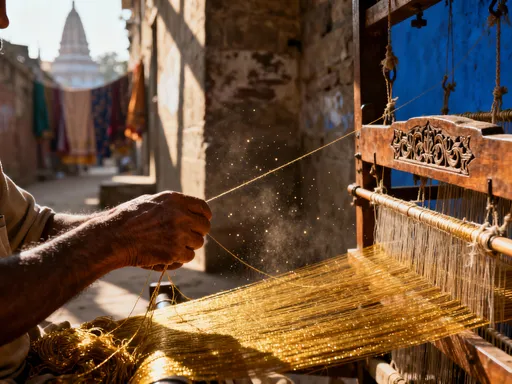
No symbol of Varanasi’s artistry is more renowned than its silk. Banarasi sarees, with their intricate brocade and shimmering gold threads, are heirlooms passed from mother to daughter. But behind every finished piece is a world of quiet labor, where art is measured not in applause, but in the steady rhythm of the loom. In neighborhoods like Sankat Mochan and Vishwanath Gali, narrow lanes lead to workshops where families work side by side, their hands moving with the precision of musicians. The loom is not a machine—it is an instrument, and the weaver, a composer.
What sets Banarasi weaving apart is that most patterns are not drawn on paper first. They live in the weaver’s mind, passed down orally and visually through generations. A young apprentice learns by watching, then by assisting, until one day, he can reproduce a complex floral motif from memory. The designs—often inspired by Mughal architecture, nature, or religious symbols—are built thread by thread, row by row. A single saree can take weeks or even months to complete, with the finest pieces containing thousands of gold zari threads woven by hand.
The workshop itself is a sensory experience. The clatter of the loom forms a constant beat, punctuated by the rustle of silk and the occasional call from the street. Dust floats in sunbeams, catching on threads that glimmer like spiderwebs. The weavers, often barefoot and wearing simple cotton clothes, move with focus and ease. Their hands, rough from years of work, handle delicate silk with surprising gentleness. To watch them is to witness a form of meditation—a fusion of skill, patience, and devotion. The finished saree may dazzle at a wedding, but its true beauty lies in the process, in the quiet dignity of creation.
For visitors, the opportunity to visit a weaving workshop is a rare gift. Many families welcome respectful observers, offering chai and stories about their craft. These moments matter—not as photo opportunities, but as human connections. They remind us that art is not just what we wear or display, but what we make with our hands and hearts. In a world of fast fashion, Banarasi silk stands as a testament to slow art, where value is measured in time, tradition, and touch.
Capturing Light: Photography and the Artist’s Gaze
Many come to Varanasi with cameras, eager to capture its beauty. But the city resists easy documentation. It is not a static scene, but a flowing moment—a blend of light, motion, and emotion that defies replication. A photograph may show a sadhu in saffron robes, but it cannot convey the warmth of his smile or the scent of ash on his skin. It may frame a ghat at sunrise, but not the hush that falls over the river as the first light touches the water. The true art of seeing Varanasi lies not in the lens, but in presence.
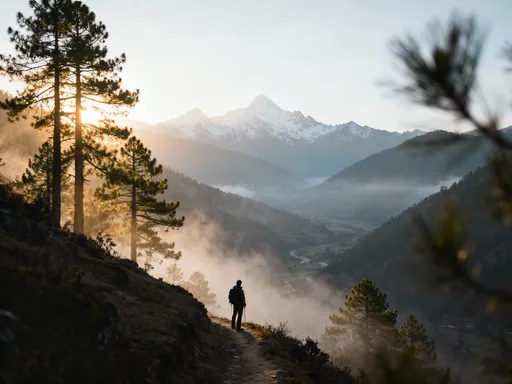
That said, photography can still be a meaningful way to engage—with care. The best light arrives in the early morning, when mist rises from the Ganges and softens the edges of buildings. At this hour, silhouettes of bathers and priests appear like figures in a dream. Shooting from a boat offers a unique perspective, allowing reflections on wet steps to double the image, creating symmetry and depth. Evening aarti, while crowded, provides dramatic contrasts of flame and shadow, especially when captured in black and white. The key is not to chase perfection, but to seek authenticity—to avoid posed shots and instead capture moments as they unfold.
Equally important is ethical framing. People in Varanasi are not exhibits. A sadhu meditating, a woman praying, a child sleeping on a cot—these are private moments, not photo ops. The respectful approach is to ask before photographing individuals, or to focus on details: hands folding flowers, feet on stone, the pattern of a sari’s border. Some of the most powerful images are not of people, but of what they leave behind—a brass lamp cooling in the sun, a prayer flag fluttering in the wind, a footprint in wet clay.
Ultimately, the most lasting impressions are not the ones saved to memory cards, but those imprinted on the mind. Varanasi teaches that some beauty cannot be captured—only carried. The photographer, like the traveler, must learn to let go, to accept that not every moment needs to be preserved. Sometimes, the best way to honor art is to simply be with it.
Beyond the Obvious: Offbeat Viewpoints for Deep Connection
Most tourists follow the same path—Dashashwamedh Ghat at sunset, the temple lanes, the boat ride at dawn. While these experiences are powerful, they represent only one layer of Varanasi. The city’s quieter artistry thrives in places untouched by crowds. A rooftop chai stall in Lane 4 offers a panoramic view of temple spires and river fog, where old men sip tea and discuss poetry. A tucked-away courtyard in Panchganga Ghat echoes with the sound of sitar practice, where a young musician repeats a raga until it flows like water. At the morning flower market near Rajghat, vendors arrange marigolds and roses into mounds of color, creating living mosaics that will soon be offered to the gods.
These spaces invite a different kind of engagement—one based on stillness and observation. Sitting on a step with a cup of masala chai, watching a cat nap in a sunlit patch, listening to the distant call of a flute—these are the moments that reveal Varanasi’s soul. They require no tickets, no guides, only patience and presence. A woman grinding spices in a courtyard may smile and offer a taste; a shopkeeper may share a story about his grandfather’s shop. These interactions are not transactions—they are exchanges of humanity.
Exploring offbeat areas also means moving with respect. It means removing shoes before entering a home, dressing modestly, and speaking softly in sacred spaces. It means understanding that some doors are not meant to be opened, some moments not meant to be shared. Authenticity is not found in isolation, but in connection—with people, with place, with the quiet pulse of daily life. The most meaningful viewpoints are not the highest or the most scenic, but the ones that allow you to see without disturbing, to witness without intruding.
Carrying the Vision: How Varanasi Changes the Way You See
Leaving Varanasi, you don’t carry souvenirs. You carry shifts in perception. The city does not give you art—you learn to see it. You begin to notice patterns in cracked pavement, rhythms in street sounds, beauty in imperfection. The chaos that once felt overwhelming now reads as harmony. The decay that seemed sad now reveals resilience. Varanasi teaches that art is not separate from life; it is embedded within it, waiting to be noticed.
This transformation extends beyond travel. Back home, you may find yourself pausing to watch sunlight on a kitchen wall, or appreciating the texture of a handmade bowl. You may listen more closely to the rhythm of a conversation, or notice the care in a loved one’s gesture. Varanasi becomes a lens—a way of seeing the world with deeper attention, greater patience, and more gratitude. It reminds you that beauty is not always polished, and meaning is not always loud.
Ultimately, the city invites a different kind of journey—one inward. It asks not what you can take, but what you can receive. It challenges the habit of capturing, urging instead the practice of being. In a world obsessed with filters and highlights, Varanasi offers something rare: unfiltered truth. It does not perform for you. It simply lives. And in that living, it shows you how to see—not with your eyes alone, but with your whole self. The art was never on the riverbank. It was in the way the light fell, the way hands moved, the way life unfolded. And now, once seen, it can never be unseen.