You Won’t Believe These Hidden Gems in Luxembourg City!
Tucked away in the heart of Europe, Luxembourg City is more than just a political hub—it’s a treasure trove of local flavors and handmade wonders. I was blown away by the authentic specialty products you can’t find anywhere else. From cozy markets to family-run shops, this city delivers unique experiences that elevate any trip. Let me show you what makes its local crafts and gourmet delights truly unforgettable. With its cobblestone lanes, centuries-old fortifications, and a quiet elegance that lingers in every corner, Luxembourg City invites travelers to slow down and savor the details. This is a place where tradition is not preserved behind glass but lives in the daily rhythm of life—from the baker pulling warm loaves from a wood-fired oven to the weaver threading wool in a sunlit studio. For those seeking meaningful connections through travel, the city’s handcrafted goods and regional specialties offer a doorway into its soul.
Why Specialty Products Matter in Travel Experiences
When travelers bring home a locally made item or a jar of regional preserves, they are not simply collecting souvenirs—they are preserving memories in tangible form. Specialty products serve as cultural ambassadors, reflecting centuries of tradition, seasonal rhythms, and the ingenuity of local communities. Unlike mass-produced trinkets found in generic gift shops, these items carry stories: of family recipes passed down through generations, of artisans dedicating their lives to perfecting a craft, and of landscapes that shape the flavor of food and the texture of textiles. Choosing authentic goods over commercial alternatives transforms tourism from passive observation into active participation.
Supporting local producers also creates a positive ripple effect. When visitors purchase directly from farmers, bakers, or craftspeople, they contribute to sustainable economies and help preserve cultural heritage. In Luxembourg City, where small businesses thrive alongside modern institutions, every purchase at a neighborhood market or independent boutique supports livelihoods rooted in pride and tradition. This kind of mindful consumption fosters deeper connections between traveler and destination, turning a simple exchange into a meaningful interaction. It encourages curiosity—asking questions, learning names, and discovering how a particular cheese is aged or how a ceramic bowl is shaped by hand.
Moreover, specialty products offer sensory continuity long after a journey ends. The aroma of a Luxembourgish rye bread mix, the feel of handwoven linen, or the taste of a homemade quince paste can instantly transport someone back to a sunlit morning in a riverside market. These are not mere objects; they are vessels of experience. For 30- to 55-year-old women who often balance family, home, and personal fulfillment, such items represent more than nostalgia—they symbolize self-care, intentionality, and the joy of discovering beauty in the everyday. By choosing authenticity, travelers honor both the place they visit and their own desire for meaningful living.
First Impressions: Luxembourg City’s Charming Blend of Old and New
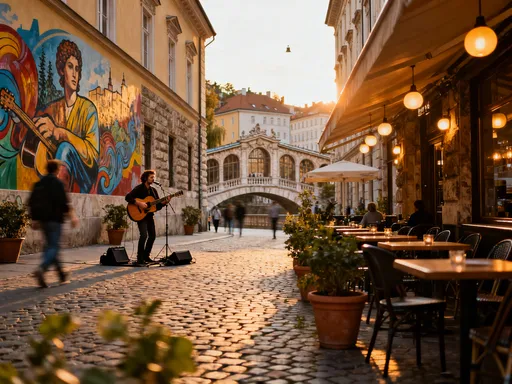
Arriving in Luxembourg City feels like stepping into a living postcard where history and modernity coexist in graceful harmony. The city unfolds along dramatic cliffs carved by the Alzette and Pétrusse rivers, with medieval walls and grand boulevards winding through lush green spaces. Its UNESCO-listed old town, known as Vianden, enchants with narrow cobbled streets, arched bridges, and buildings that seem to grow organically from the rock itself. Yet just beyond this historic core lies a dynamic urban landscape—glass-fronted offices, contemporary art galleries, and elegant cafés—where European Union institutions bring an international pulse without overshadowing local character.
One of the city’s greatest strengths is its walkability. Despite its status as a capital and financial center, Luxembourg City remains compact and intimate. Within a short stroll, visitors can move from the grandeur of the Grand Ducal Palace to the quiet charm of the Grund district, where half-timbered houses line the riverbank beneath towering fortifications. This ease of movement allows for spontaneous discoveries: a hidden courtyard with blooming wisteria, a small bakery emitting the scent of freshly baked pastries, or a craftsman repairing vintage clocks behind a narrow shop window. These moments of serendipity are central to the city’s appeal, especially for travelers who value authenticity over spectacle.
Neighborhoods like Clausen, once an industrial quarter, now pulse with creative energy, housing artisan studios, boutique wineries, and repurposed warehouses turned into design shops. Limpertsberg, home to universities and cultural centers, offers a mix of academic calm and cosmopolitan flair, with independent bookstores and organic grocers nestled among residential streets. Each area contributes to the city’s layered identity, where tradition isn’t frozen in time but evolves alongside contemporary life. For women traveling for both relaxation and enrichment, this balance of old-world charm and modern convenience creates an ideal environment—one that invites exploration without exhaustion, and rewards attention to detail.
Must-Try Gourmet Specialties: Taste Luxembourg in Every Bite
Luxembourgish cuisine is a celebration of hearty, seasonal ingredients transformed through time-honored methods into deeply satisfying dishes. At the heart of this culinary tradition is a respect for simplicity and quality—flavors that emerge from slow cooking, natural fermentation, and family recipes guarded like heirlooms. One of the most beloved dishes is Bouneschlupp, a thick green bean soup enriched with potatoes, onions, and smoked bacon. Often served with crusty bread, it embodies the comfort of home cooking and is especially popular during cooler months. Equally iconic is Judd mat Gaardebounen, featuring smoked pork neck paired with broad beans simmered in a savory broth. This dish, frequently found in traditional restaurants, connects modern diners to centuries of rural farming life.
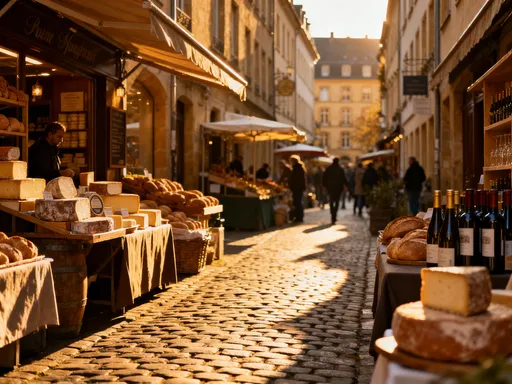
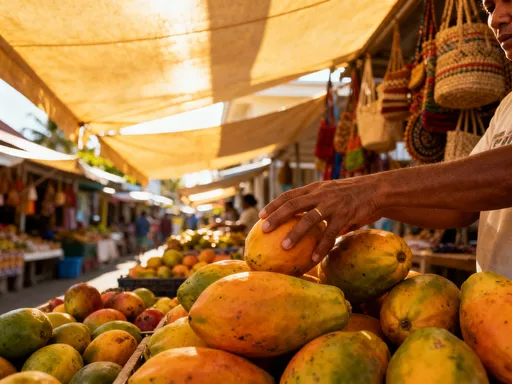
For those eager to experience these flavors firsthand, the Marché aux Poulets in the city center is a must-visit. Held every Tuesday, Friday, and Sunday, this bustling market brings together local farmers, bakers, and food artisans offering everything from fresh produce to ready-to-eat specialties. Stalls overflow with seasonal fruits, artisanal cheeses, and regional preserves like mirabelle plum jam and elderflower syrup. The market’s name—originally referencing chicken vendors—now represents a broader celebration of Luxembourg’s agricultural bounty. Here, visitors can sample quark-based spreads, purchase hand-cut charcuterie, or pick up a wheel of Fromage de Rollingergrund, a semi-soft cheese with a creamy texture and mild tang.
Sweets also play a central role in Luxembourg’s food culture. Visitors should not miss Gromperekichelcher, crispy potato pancakes often sold at outdoor markets, or Träipen, spiced meat sausages traditionally eaten during winter festivals. Bakeries across the city offer buttery pastries such as Houfguedde, a brioche-like bread often enjoyed at breakfast, and Mettnachtsbriechen, a sweet bread filled with raisins and dusted with powdered sugar. Many of these treats are made using locally milled flour, free-range eggs, and dairy from small farms, reinforcing the connection between land and plate. For women who appreciate home cooking and wholesome ingredients, these culinary offerings provide both pleasure and inspiration—ideas to bring back to their own kitchens.
Drink Like a Local: From Crémant to Craft Beer
No exploration of Luxembourg’s specialty products would be complete without delving into its vibrant beverage culture. The country has earned a strong reputation for its high-quality sparkling wines, particularly Crémant de Luxembourg, which is produced using the traditional méthode champenoise. Made primarily from Pinot Blanc, Auxerrois, and Riesling grapes, these effervescent wines offer crisp acidity, fine bubbles, and delicate notes of green apple, citrus, and white flowers. They are often more affordable than their French counterparts while maintaining exceptional craftsmanship, making them a favorite among locals and an excellent choice for travelers seeking a refined yet approachable drink.
Just a short drive or train ride from the city, the Moselle Valley unfolds along the winding river, dotted with vineyards and picturesque wine villages such as Remich, Grevenmacher, and Ehnen. Many wineries welcome visitors for tastings, offering panoramic views of terraced slopes and personalized tours led by winemakers themselves. These experiences provide insight into sustainable viticulture practices and the importance of terroir in shaping flavor. For women interested in relaxed, educational outings, a vineyard visit combines scenic beauty with sensory enjoyment—perfect for a day trip with friends or a quiet afternoon of reflection.
In recent years, Luxembourg’s craft beer scene has also flourished, with microbreweries emerging across the city and countryside. Breweries like Brasserie Simon and Mousel & Merter focus on small-batch production, experimenting with local ingredients and traditional styles. Visitors can find amber ales with hints of honey, crisp pilsners, and even fruit-infused beers made with wild berries foraged from nearby forests. Local pubs and wine bars, particularly in the Grund and Clausen districts, often feature rotating taps and seasonal brews, encouraging patrons to explore beyond mainstream brands. Whether enjoying a glass of Crémant at a rooftop terrace or sampling a flight of craft beers in a converted cellar, drinking like a local means embracing quality, craftsmanship, and the pleasure of sipping slowly.
Handmade with Heart: Discovering Local Crafts and Artisan Shops
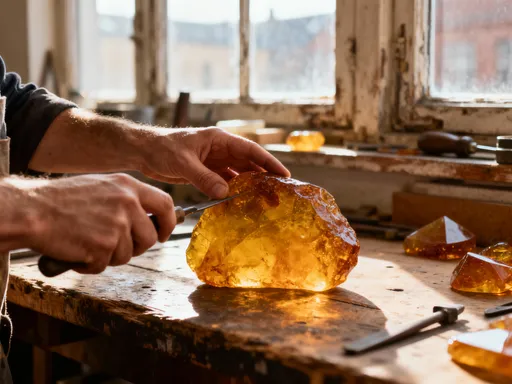
Beyond its culinary offerings, Luxembourg City reveals its artistic soul through a network of independent studios and craft boutiques. Here, traditional techniques such as pottery, weaving, and woodcarving are kept alive by dedicated artisans who value precision, patience, and personal expression. Unlike factory-made décor, these handmade items carry the imprint of their maker—the slight curve of a hand-thrown mug, the irregular texture of a hand-loomed scarf, or the grain of wood carefully shaped into a serving board. For travelers who appreciate craftsmanship and sustainability, these creations offer a meaningful alternative to disposable souvenirs.
The Clausen neighborhood, nestled along the Alzette River, is a hotspot for creative enterprises. Once home to tanneries and mills, its converted industrial buildings now house ceramicists, glassblowers, and textile artists. Visitors can browse showrooms, attend seasonal open studio events, or even participate in workshops where they learn to throw clay or weave natural fibers. Limpertsberg and the city center also feature boutique shops specializing in locally made jewelry, leather goods, and home accessories. These stores often collaborate directly with artisans, ensuring fair compensation and transparency in sourcing.
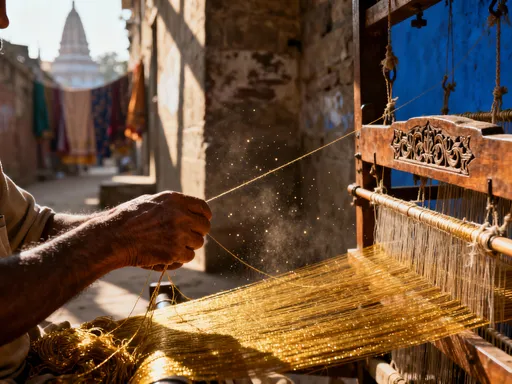
Among the most cherished crafts are linen weaving and lace-making, traditions that date back to rural households where women created textiles for both domestic use and trade. Today, contemporary designers reinterpret these skills using organic dyes and eco-friendly materials, producing table linens, napkins, and wall hangings that blend heritage with modern aesthetics. Woodcraft is another enduring practice, with artisans carving spoons, bowls, and cutting boards from native oak and cherry trees. These functional artworks not only serve as beautiful additions to the home but also tell a story of sustainability and respect for natural resources. For women who value intentionality in their living spaces, such pieces offer both beauty and purpose—a reminder of a place, a person, and a moment in time.
Smart Shopping Tips: Where and How to Buy Authentic Products
Navigating the world of local specialties requires a discerning eye, especially in a city that welcomes international visitors. While many shops offer genuine Luxembourgish products, others cater to tourists with imported goods labeled as “local.” To ensure authenticity, travelers should look for indicators such as the “Produit du Terroir” label, which certifies regional origin, or packaging that lists the producer’s name and location. Farmers’ markets, cooperatives, and direct-from-farm shops are typically the most reliable sources, where face-to-face interactions allow for questions about ingredients, methods, and traditions.
Timing also matters. Visiting the Marché aux Poulets on a Sunday morning ensures access to the widest selection, as many vendors set up early and sell out by midday. Similarly, seasonal festivals such as the Schueberfouer in late summer or Christmas markets in December showcase regional specialties at their peak. Bringing a reusable bag not only aligns with Luxembourg’s strong environmental values but also makes transporting purchases easier. Engaging with vendors—asking about preparation methods or sharing a compliment—often leads to personal recommendations and a warmer experience overall.
Pricing in Luxembourg reflects the quality and labor intensity of handmade goods, so visitors should expect to pay more for authentic items than for mass-produced alternatives. However, this investment supports fair wages and sustainable practices. When purchasing perishable goods like cheese, charcuterie, or preserves, proper packaging is essential for transport. Most vendors provide vacuum sealing or insulated wrapping upon request. For those planning to bring items home, it’s important to check customs regulations, particularly for dairy and meat products, to ensure compliance with import rules. By shopping thoughtfully, travelers not only acquire beautiful, meaningful souvenirs but also become part of a larger movement toward ethical consumption.
Beyond the City: Day Trips to Source Regional Specialties
While Luxembourg City offers abundant opportunities to discover local products, venturing into the surrounding countryside deepens the experience. The country’s compact size makes day trips accessible by public transport or rental car, allowing travelers to visit farms, dairies, and vineyards where specialties are born. In the rolling hills of the Müllerthal region, known as “Little Switzerland,” small-scale producers offer honey harvested from wildflower meadows, goat cheese made on family farms, and apple cider pressed from heritage orchards. These direct encounters provide insight into the care and labor behind each product, fostering appreciation that extends beyond taste.
The Moselle Valley, stretching along the eastern border, is renowned for its vineyards and wine-making heritage. Towns like Wasserbillig and Rodange host weekly markets where winemakers sell bottles directly to visitors, often accompanied by live music and food pairings. Some farms offer agritourism experiences, including guided tastings, harvest participation, and overnight stays in rustic guesthouses. These immersive visits allow travelers to connect with the land and its stewards, gaining a fuller understanding of how climate, soil, and tradition shape regional identity.
Public transportation in Luxembourg is not only efficient but also free, making it easy and affordable to explore beyond the capital. Regional buses and trains connect the city to rural communities, enabling spontaneous stops in villages where bakeries sell fresh bread on market days or craft fairs showcase local talent. For women traveling independently or with family, these excursions offer flexibility and safety, with well-marked trails, clear signage, and welcoming locals. By stepping outside the city, travelers support rural economies and gain a more complete picture of Luxembourg’s cultural tapestry—one woven from both urban innovation and rural tradition.
Conclusion: Bringing Luxembourg Home – More Than Just Souvenirs
Traveling through Luxembourg City and its surrounding regions is not just about seeing landmarks or checking destinations off a list—it’s about engaging with a culture through its creations. The specialty products found here are more than items to pack into a suitcase; they are invitations to remember, to reflect, and to continue the journey long after returning home. Whether it’s a jar of wild berry jam, a hand-thrown ceramic bowl, or a bottle of Crémant shared with loved ones, each object carries the essence of a place shaped by history, nature, and human care.
For women who seek depth in their travels, who value connection over convenience, and who find joy in the handmade and the heartfelt, Luxembourg offers a quiet kind of magic. It invites mindfulness—to savor a meal slowly, to listen to a craftsperson’s story, to appreciate the beauty of a well-made thing. In choosing to support local artisans and farmers, travelers become stewards of tradition, helping to preserve ways of life that might otherwise fade.
So as you plan your next journey, consider not just where you’ll go, but how you’ll engage. Let Luxembourg City be a reminder that the most meaningful souvenirs are not bought—they are discovered, experienced, and carried forward with intention. Open your senses, follow your curiosity, and let the soul of this remarkable city find its way into your home, your kitchen, and your heart.