How I Survived the Debt Crisis — Real Talk on What Works Now
I once stared at my bills and felt completely trapped. No magic fix, no rich uncle—just mounting debt and panic. But I tested strategies, made mistakes, and slowly found what actually works. This isn’t theory. It’s what’s happening in the real world right now. If you’re overwhelmed, you’re not alone—and there’s a way through. Let’s break it down together.
The Moment Everything Changed
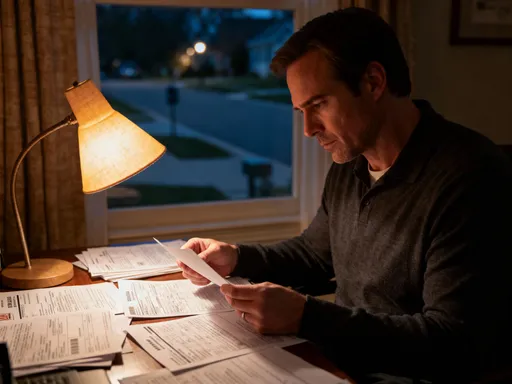
It started quietly. A late fee here, a minimum payment there. Then, suddenly, I couldn’t ignore it anymore. I remember sitting at my kitchen table at 2 a.m., staring at a stack of envelopes—credit card statements, medical bills, a final notice from the utility company. My heart was racing. I had been working full time, even picked up extra shifts, yet every paycheck disappeared before the next bill arrived. The shame was crushing. I avoided phone calls, ignored emails, and lied to myself that “next month would be better.” But next month never came.
This wasn’t just about poor choices. It was about a system that made it nearly impossible to get ahead. Wages hadn’t kept pace with rising rent, groceries, and healthcare. One unexpected car repair pushed me over the edge. I started using credit cards not for luxury, but for survival—gas, groceries, prescriptions. What began as a temporary fix became a cycle I couldn’t escape. I realized I wasn’t alone. Millions of households were in the same position, juggling payments, one emergency away from collapse.
The turning point came when I stopped waiting for a miracle. No government program, no inheritance, no sudden windfall was coming. I had to act. That moment of clarity—accepting responsibility without blame—was the first real step forward. I didn’t need motivation. I needed a plan. And I needed one that worked in the real world, not just in a financial blog post. The old advice—“just spend less”—wasn’t enough. I needed strategies that accounted for today’s reality: high inflation, unpredictable work hours, and the constant pressure of digital spending temptations. The journey wasn’t about perfection. It was about progress, one decision at a time.
Reading the Signs: Why This Debt Crisis Is Different
The financial challenges people face today aren’t just a repeat of past recessions. This crisis has a unique fingerprint. In previous downturns, debt often came from over-leveraged housing markets or speculative investing. Today, it’s woven into daily survival. Consumer debt—credit cards, personal loans, buy-now-pay-later services—has reached record levels. According to recent data from the Federal Reserve, U.S. household debt topped $17 trillion in 2023, with credit card balances alone exceeding $1.1 trillion. This isn’t just numbers on a spreadsheet. It’s real people choosing between paying a credit card bill or filling a prescription.
What makes this different is the combination of factors. Inflation has eroded purchasing power, especially for essentials like food and housing. At the same time, wage growth has been inconsistent, leaving many families with less real income than they had five years ago. The job market, while technically strong, offers less stability. Gig work, part-time roles, and contract positions dominate, often without benefits or predictable hours. This unpredictability makes budgeting a moving target. You can’t plan for stability when your income isn’t stable.
Another key shift is the normalization of debt. Credit is easier to access than ever, and marketing makes it feel normal—even responsible—to finance everyday purchases. “No interest for 12 months” offers sound appealing until the promotional period ends and the balance rolls into high APR debt. Buy-now-pay-later services allow instant gratification with delayed consequences, often without credit checks. These tools aren’t inherently bad, but they’ve lowered the barrier to overextension. The result? Many people don’t realize they’re in trouble until they’re deep in the hole.
And unlike past crises, this one isn’t isolated to one sector. It’s widespread and personal. It’s not just about unemployment or a housing crash. It’s about the slow, steady pressure of living in a high-cost world with flatlining income. This means solutions must be equally comprehensive. Cutting out coffee won’t fix this. We need strategies that address cash flow, debt structure, and long-term resilience. We need to stop treating symptoms and start addressing the system.
The Three Filters That Saved Me
When I was drowning, every financial decision felt like a gamble. Should I pay the credit card or the medical bill? Should I dip into savings or take on another loan? I needed a way to make choices without panic. That’s when I created the Three Filters—a simple but powerful framework to evaluate every move. It wasn’t about complex calculations. It was about clarity.
The first filter is urgency. What absolutely must be handled now? Not what feels urgent, but what has real consequences if ignored. A late rent payment could mean eviction. A missed car loan payment might lead to repossession. These are non-negotiable. Other debts, like credit cards, have consequences, but they’re often more gradual. By identifying what was truly urgent, I could stop reacting to every demand and focus on what mattered most. This didn’t eliminate stress, but it reduced the noise.
The second filter is sustainability. Could I maintain this decision for months, even years? For example, I considered cutting all non-essential spending. But I knew I wouldn’t stick to it. Deprivation leads to burnout. Instead, I looked for changes I could live with—cooking more at home, switching to a cheaper phone plan, using public transit when possible. These weren’t dramatic, but they were doable long-term. Sustainability also applied to income. I explored side gigs, but only those that fit my schedule and energy. A second job that left me exhausted wasn’t sustainable, no matter the pay.
The third filter is flexibility. Did this decision leave room for the unexpected? Life doesn’t follow a budget. Cars break down. Kids get sick. Work hours change. I needed breathing room. That meant avoiding rigid commitments. For example, I considered a debt consolidation loan, but only if it had no prepayment penalties and allowed payment pauses in emergencies. I chose a payment plan with my credit card issuer that let me skip a month if needed. Flexibility wasn’t about avoiding responsibility—it was about building resilience.
These filters transformed my approach. Instead of feeling out of control, I had a system. When a bill arrived, I didn’t panic. I asked: Is this urgent? Can I sustain this? Does it allow flexibility? The answers guided my actions. Over time, this simple process helped me regain a sense of agency. I wasn’t fixing everything overnight, but I was making better decisions, one at a time.
Turning Assets into Shields
For years, I thought of assets only in terms of growth—how much my home might appreciate, how my retirement fund could compound. But during the crisis, I had to shift my thinking. Assets weren’t just for the future. They could be tools for survival. The goal wasn’t to get rich. It was to stay afloat.
My biggest asset was my home. I didn’t want to sell, but I explored options to use its value wisely. A home equity line of credit (HELOC) offered lower interest than my credit cards. I used a small portion to pay off high-interest debt, reducing my monthly payments and total interest. I didn’t treat it as free money. I set strict rules: only for essential debt, no new spending, and a clear repayment plan. This wasn’t about leveraging risk. It was about strategic reallocation.
My retirement accounts were another consideration. I knew tapping into them early could hurt long-term growth and trigger penalties. But I also knew that missing basic needs could force worse choices. After careful review, I decided to temporarily reduce my 401(k) contributions. I didn’t stop entirely—just lowered it to the minimum to keep the employer match. This freed up cash without sacrificing all future security. I viewed it as a pause, not an exit. Once my cash flow stabilized, I increased contributions again.
I also looked at underused possessions. That second car I rarely drove. The designer bag I bought for a special event and never used. The fitness equipment collecting dust. I sold these items through local marketplaces and online platforms. Not for big profits—just enough to cover a few bills. The key was avoiding fire sales. I waited for fair offers. I didn’t sell sentimental items or anything I truly needed. This wasn’t about decluttering for joy. It was about converting idle value into immediate relief.
The mindset shift was crucial. I stopped seeing these actions as failures. They weren’t giving up. They were adapting. I was using what I had to protect myself, not chasing gains. This approach reduced pressure without adding risk. It gave me time to rebuild. And that time was priceless.
The Hidden Power of Cash Flow Control
If debt is the problem, cash flow is the solution. Yet most people don’t track it closely. They know their salary, but not where every dollar goes. I used to be that person. Then I realized: you can’t manage what you don’t measure. So I started mapping every inflow and outflow. Not with fancy software—just a spreadsheet and brutal honesty.
I listed every source of income: wages, side gigs, tax refunds, even occasional gifts. Then every expense: rent, utilities, groceries, subscriptions, minimum debt payments, even small daily purchases. I categorized them into needs, obligations, and wants. The result was eye-opening. I was spending nearly $300 a month on subscriptions I barely used—streaming services, apps, membership boxes. I canceled most of them. I found I was using credit cards for small purchases, which added up quickly and carried high interest. I switched to cash and debit for daily spending.
But tracking was just the start. The real power came from restructuring. I contacted lenders and service providers to negotiate. I asked for lower rates, extended due dates, and payment plans. To my surprise, many were willing to work with me. My credit card issuer offered a hardship program with reduced interest for six months. My internet provider matched a competitor’s lower rate. Even my landlord agreed to a temporary rent adjustment when I explained my situation honestly.
Timing became a tool. I aligned bill payments with my pay schedule. Instead of paying everything at once, I spread them out. This prevented cash crunches. I also built a tiny buffer—just $50 at first—by delaying non-urgent purchases. That small cushion prevented overdraft fees and gave me breathing room. Over time, as I reduced high-interest debt and optimized payments, my monthly outflow decreased. The extra cash didn’t go to luxuries. It went into emergency savings and faster debt repayment. Cash flow control didn’t solve everything overnight, but it created momentum. Each small win built confidence. And confidence led to consistency.
When to Hold On—and When to Let Go
Not all debts are created equal. Some must be protected at all costs. Others can be adjusted. Learning the difference was one of the hardest but most important lessons. It required both logic and emotional honesty.
Secured debts—those tied to assets—topped my priority list. My mortgage and car loan were non-negotiable. Losing my home or transportation would make everything worse. I protected these payments even if it meant delaying others. Unsecured debts, like credit cards and medical bills, offered more flexibility. I didn’t ignore them, but I prioritized based on interest rates and consequences. High-interest cards came first. Lower-interest or no-interest debts could wait.
Student loans were a gray area. I qualified for an income-driven repayment plan, which lowered my monthly obligation. I paused extra payments until my cash flow improved. This wasn’t defaulting. It was adjusting. I accepted that progress would be slower, but I wouldn’t break in the process. The emotional weight was heavy. I felt guilty for not paying more. But I reminded myself: survival comes before speed.
Credit utilization was another consideration. I reduced my spending on cards, not just to save money, but to lower my credit utilization ratio. This helped my credit score, which mattered for future loans and insurance rates. I didn’t close accounts—doing so could hurt my score. I used them sparingly, paid in full when possible, and kept balances low.
The hardest part was letting go of the idea of perfection. I couldn’t pay everything on time. I had to make trade-offs. But each decision was intentional, not impulsive. I documented my plan and reviewed it monthly. This brought clarity and reduced guilt. I wasn’t failing. I was adapting. And adaptation is a form of strength.
Building the Exit Plan: From Crisis to Calm
Recovery didn’t happen in a single moment. It was a series of small, repeated actions. I stopped looking for a quick fix. Instead, I focused on consistency. I stuck to my budget. I made minimum payments on time. I added extra dollars to high-interest debt when possible. I rebuilt my emergency fund—first $500, then $1,000, then three months of expenses. Each step was small, but together, they created a new foundation.
I also changed my relationship with money. It wasn’t just a source of stress. It became a tool for security. I started planning for the future again—saving for my child’s education, increasing retirement contributions, even setting aside money for small joys. These weren’t luxuries. They were signs of healing.
The crisis taught me resilience. It showed me that I could face overwhelming odds and still make progress. It taught me the value of preparation—not just financial, but emotional. I learned to ask for help, to communicate with creditors, to accept temporary setbacks without losing hope.
Today, I’m not debt-free. But I’m in control. My payments are manageable. My cash flow is stable. I have a buffer for emergencies. More importantly, I have confidence. I know I can handle what comes next. This journey wasn’t about luck. It was about practical steps, informed decisions, and relentless persistence. If you’re in the same place I was, know this: you’re not alone. The system is hard, but you are stronger. Start with one decision. Use a filter. Track one expense. Make one call. The path out begins with a single step. And it’s possible.